
Japan FSA Proposes Crypto Regulation Shift to FIEA
- Japan’s FSA proposes stricter crypto regulations with shift to FIEA.
- FIEA aims to enhance market disclosure and oversight.
- Expected impacts on crypto exchanges and Initial Exchange Offerings.
Japan’s Financial Services Agency proposes shifting crypto regulations from the Payment Services Act to the Financial Instruments and Exchange Act, aiming for enhanced disclosures and market control.
This move aligns crypto-assets with traditional financial instruments, potentially impacting market operations and influencing international regulatory frameworks.
Japan’s Financial Services Agency (FSA) intends to move crypto regulation from the PSA to the FIEA for stricter oversight. The focus is on disclosures and IEO regulation, affecting how crypto-assets are treated. This change aims to align crypto with traditional financial instruments.
Japan’s Financial Services Agency (FSA) intends to move crypto regulation from the PSA to the FIEA for stricter oversight. The focus is on disclosures and IEO regulation, affecting how crypto-assets are treated. This change aims to align crypto with traditional financial instruments.
The FSA will become the main authority under FIEA for regulating crypto-assets. Key leadership roles in the FSA, including the Commissioner and Director-General, are involved in this shift, emphasizing investor protection and global alignment with markets like the EU. “Japan’s Financial Services Agency has proposed moving crypto asset regulation under the Financial Instruments and Exchange Act, such that many digital assets are regulated as securities, with enhanced disclosures and market abuse controls.” – TRM Labs
This regulatory shift is expected to impact crypto exchanges and the framework for IEOs in Japan. It includes stringent disclosure requirements for issuers and increased due diligence. The transition aims to bring more transparency and control to the crypto market.
There are financial implications for exchange compliance and token issuers, leading to higher costs and alignment with securities-like regulation . International regulatory frameworks, such as EU MiCA, serve as benchmarks for these changes, impacting how crypto-assets are managed.
Potential outcomes include greater institutional participation in Japan’s crypto market due to reduced legal ambiguity and clearer regulations. This could facilitate the launch of regulated products like ETFs and trusts, expanding digital asset markets.
Historical trends suggest previous regulatory shifts improved market stability. The upcoming FIEA framework could similarly bolster confidence among investors by implementing robust market abuse controls and enhanced disclosures. This positions Japan as a leader in crypto regulation .
Disclaimer: The content of this article solely reflects the author's opinion and does not represent the platform in any capacity. This article is not intended to serve as a reference for making investment decisions.
You may also like
The DASH Price Rally: What Factors Are Behind the 150% Increase This Week?
- DASH surged 150% in November 2025 due to OKX relisting, Zebec payroll partnerships, and codebase upgrades enhancing privacy and utility. - Cross-market sentiment from DoorDash stock's 40% YTD rally indirectly boosted DASH demand despite no direct business ties between the assets. - Technical indicators show overbought conditions (RSI 89.66) and bearish derivatives data, signaling potential volatility and support level risks. - Sustainability hinges on balancing OKX/Zebec-driven utility with speculative D
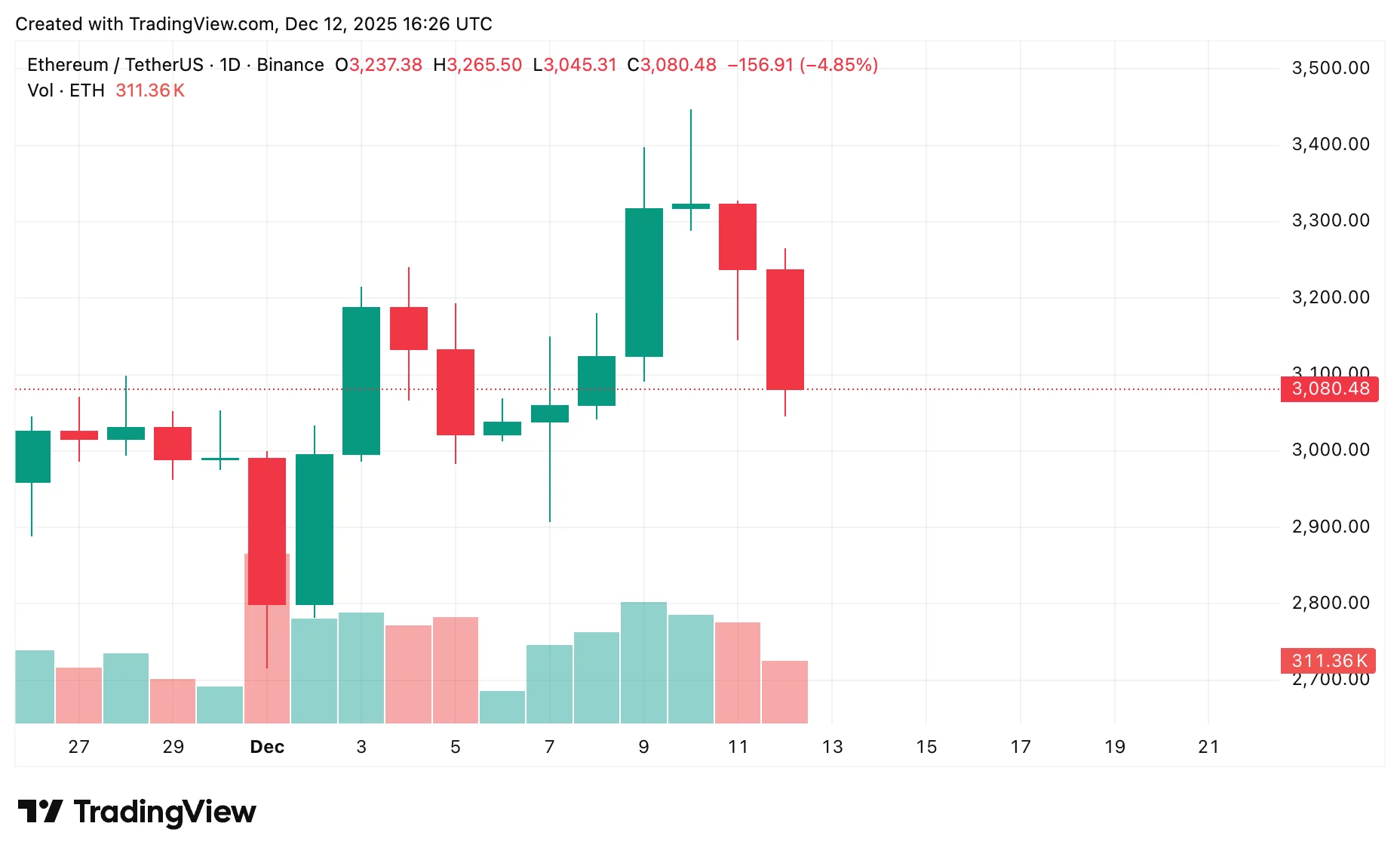
Ethereum price prediction: Bulls eye $3,400 while bears watch $2,800
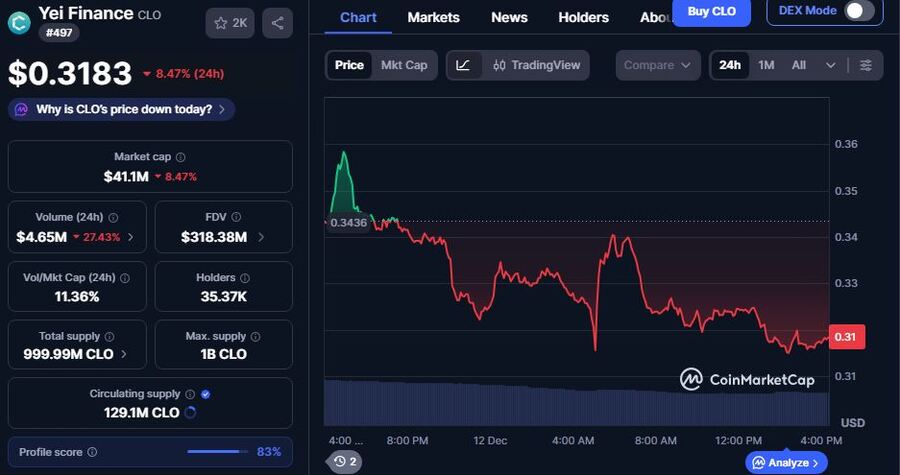
CLO Price Analysis: Yei Finance Rollout SolvBTC Token on Cross-Chain Protocol, Unlocking DeFi BTC Liquidity
Tokenization benefits ‘light at first,’ but will expand if democratized: NYDIG

Trending news
MoreCrypto prices
More





