
The Rise of a Governed Clean Energy Marketplace: REsurety's CleanTrade and the Next Chapter in Sustainable Finance
- CFTC's 2025 approval of REsurety's CleanTrade platform establishes the first regulated market for financially-settled clean energy contracts. - The platform addresses market fragmentation by standardizing VPPAs and RECs, enabling institutional-grade trading with real-time pricing and risk analytics. - Rapid adoption ($16B notional value in two months) demonstrates demand for scalable, transparent green finance solutions that reduce counterparty risks. - By converting complex VPPAs into tradable assets, C
CleanTrade: Ushering in a New Era for Clean Energy Markets
The journey toward a sustainable energy future has often been hindered by disjointed markets, unclear pricing, and a lack of unified infrastructure for large-scale investment. This changed dramatically with the Commodity Futures Trading Commission’s (CFTC) approval of REsurety’s CleanTrade platform in September 2025. As the first regulated marketplace dedicated to financially-settled clean energy contracts, CleanTrade is eliminating long-standing inefficiencies and opening the door to greater liquidity, transparency, and institutional involvement in green finance. For investors, this milestone marks the evolution of the clean energy sector, where instruments like virtual power purchase agreements (VPPAs) and renewable energy certificates (RECs) are now recognized as mainstream, tradable assets with defined risk and market value.
Regulatory Milestone and Its Impact on the Market
CleanTrade’s designation as a Swap Execution Facility (SEF) by the CFTC is the result of a rigorous four-year regulatory process, culminating in a comprehensive 986-page application. This thorough review ensured the platform meets the highest standards for transparency, compliance, and market reliability. CleanTrade now serves as a centralized venue for trading VPPAs, physical power purchase agreements (PPAs), and project-specific RECs. Its integrated workflows automate everything from document creation and Dodd-Frank reporting to real-time analytics, streamlining the entire transaction process.
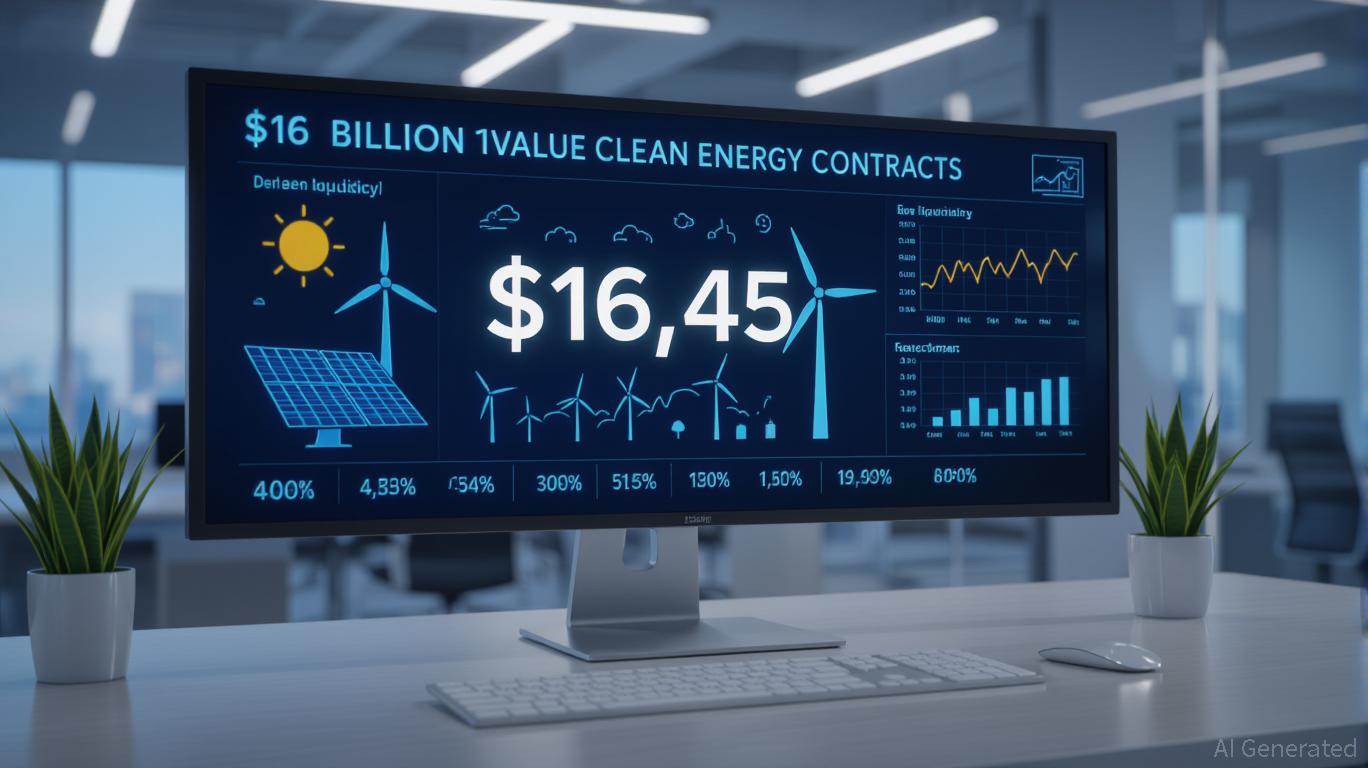
The platform’s swift uptake highlights its significance: within just two months of launch, CleanTrade facilitated trades totaling $16 billion in notional value. This surge in activity demonstrates the strong demand for structured clean energy investments. Enhanced liquidity is crucial for expanding renewable projects, as it lowers transaction costs and reduces counterparty risk—factors that have historically discouraged institutional investors. Advanced analytics embedded in CleanTrade, such as carbon risk and grid congestion modeling, further support accurate project valuation and faster financing decisions.
Turning VPPAs into Standardized, Tradable Assets
One of CleanTrade’s most significant innovations is the transformation of VPPAs from complex, customized contracts into standardized, easily tradable assets. Traditionally, VPPAs required lengthy negotiations and suffered from non-transparent pricing. CleanTrade’s regulated environment introduces real-time price discovery and uniform contract templates, effectively making these agreements function more like securities.
This development is particularly impactful for institutional investors such as pension funds, sovereign wealth funds, and ESG-focused portfolios, who have previously been wary of green energy’s perceived illiquidity. According to REsurety’s findings, CleanTrade’s infrastructure reduces transaction timelines from months to days, while CFTC oversight guarantees adherence to federal regulations—an essential consideration for fiduciaries. By connecting conventional energy markets with renewables, CleanTrade also supports global decarbonization efforts, enabling corporations and utilities to achieve net-zero goals through scalable, cost-effective solutions.
The Clean Energy Infrastructure Revolution
The global market for clean energy infrastructure is expected to surpass $1.8 trillion by 2033, propelled by supportive policies and technological progress. CleanTrade is playing a pivotal role in this expansion by tackling issues like greenwashing and fragmented deal-making, setting a new standard for market integrity. Its centralized trading platform offers real-time insights into project performance and carbon metrics, ensuring that investments are both environmentally responsible and financially viable.
This infrastructure transformation also enhances risk management. CleanTrade’s analytics empower investors to hedge against challenges such as grid congestion and carbon price fluctuations, which have traditionally complicated the valuation of renewable assets. Industry experts note that these advanced tools are drawing in a new wave of participants, including hedge funds and private equity firms focused on the energy transition, who now view clean energy as a core investment category rather than a niche ESG allocation.
A New Chapter for Sustainable Investment
REsurety’s CleanTrade is more than just a technological breakthrough—it represents a foundational shift in both regulatory and financial infrastructure for clean energy. By fostering liquidity, standardizing contracts, and attracting institutional capital, the platform is propelling the sector from fragmented beginnings toward a mature, transparent marketplace. For investors, this translates into unparalleled access to a rapidly expanding industry. As the momentum behind clean energy accelerates, CleanTrade is poised to become as integral to sustainable finance as traditional exchanges are to conventional markets.
Disclaimer: The content of this article solely reflects the author's opinion and does not represent the platform in any capacity. This article is not intended to serve as a reference for making investment decisions.
You may also like
Tether Eyes a $20 Billion Raise at a $500 Billion Valuation
The Growing Need for Financial Services Focused on Wellbeing
- Financial services are integrating nine wellness dimensions into financial planning to align well-being with economic outcomes. - Studies show only 38% of individuals achieve ideal financial wellness, linking health and financial resilience. - AI tools and wellness programs boost productivity and retention, with 52% growth in AI coaching since 2020. - Wellness-focused real estate and cultural investments reflect rising demand for holistic prosperity. - The $2 trillion wellness industry drives sustainable

Bitcoin Price Fluctuations: Optimal Entry Strategies Amid Changing Macroeconomic Conditions
- Bitcoin's volatility offers high returns but poses psychological risks, requiring disciplined risk management and emotional resilience. - Social media and behavioral biases like FOMO and loss aversion exacerbate impulsive trading during market swings. - Strategic frameworks (position sizing, DCA) and financial literacy help investors navigate volatility while avoiding overleveraging. - Case studies show predefined plans and diversification reduce panic selling during crashes like the 2024 "Black Friday"

Investing in Sectors Focused on Wellness in 2026: Strategically Aligning with Enduring Human-Centered Trends
- Global wellness market to grow from $6.87T in 2025 to $11T by 2034 at 5.4% CAGR, driven by preventive health, mental wellness, and financial well-being integration. - Wearables (Apple Watch, Oura Ring) and AI platforms (Calm, Headspace) are reshaping physical/emotional wellness, with corporate programs boosting productivity and reducing healthcare costs. - Financial wellness emerges as critical axis, with companies like CHC Wellbeing linking health incentives to economic stability through gamified reward

Trending news
MoreCrypto prices
More





