
LUNA Falls by 5.3% After Co-Founder Do Kwon Receives Sentence for Fraud
- LUNA fell 5.3% in 24 hours on Dec 11, 2025, amid Do Kwon's 12-year fraud sentence ruling. - Kwon's sentencing highlights crypto regulation tightening, with legal outcomes shaping market sentiment and investor trust. - Network upgrades boosted LUNA's 39% weekly gain, but legal uncertainty persists as Terra 2.0 faces stabilization challenges. - Investors remain cautious as Kwon's case sets regulatory precedents, balancing technical improvements against jurisdictional risks.
LUNA Faces Volatility Amid Legal Developments
On December 11, 2025, LUNA saw its value drop by 5.3% within a single day, closing at $0.19. This short-term decline came despite the token’s impressive 39.04% rally over the preceding week and a remarkable 157.48% surge in the past month. These gains marked a significant recovery from the 55.17% loss experienced over the previous year. The latest price movement coincided with a major legal event involving Terraform Labs’ co-founder Do Kwon, signaling a critical juncture for the Terra ecosystem.
Do Kwon’s Sentencing and Its Industry Impact
Do Kwon, who admitted guilt to charges of conspiracy to commit fraud and telecommunications fraud, is facing a 12-year prison term as recommended by prosecutors. The sentencing, overseen by Judge Paul Engelmayer in Manhattan’s Southern District of New York, has attracted widespread attention due to its potential consequences for the cryptocurrency sector. Kwon’s earlier decision to contest a nine-count indictment—including allegations of securities fraud, commodities fraud, and money laundering—underscored the complex legal landscape surrounding digital assets.
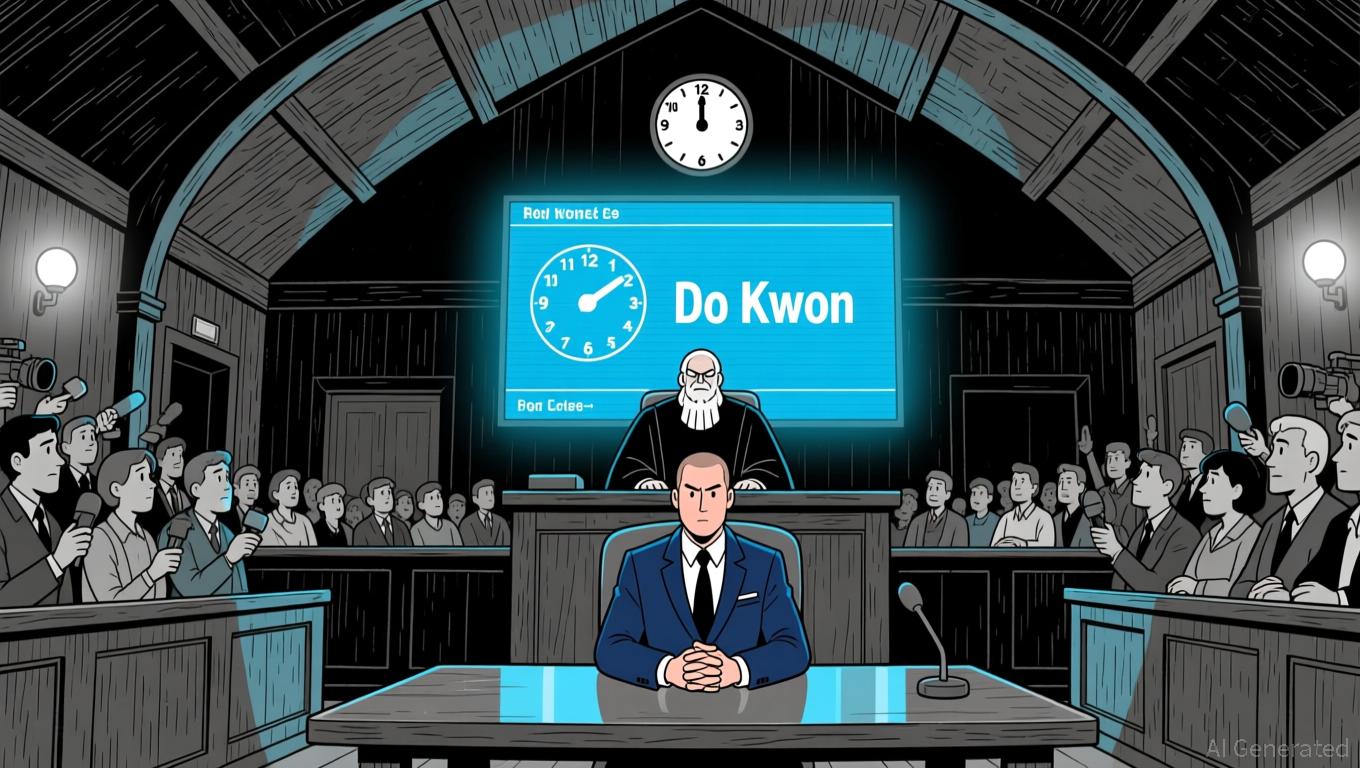
This high-profile court case highlights a growing trend toward stricter oversight and enforcement in the crypto industry. Regulators are placing greater emphasis on protecting investors and ensuring corporate responsibility. The outcome of Kwon’s trial is expected to set a benchmark for how similar cases may be handled in the future. Market analysts believe that the verdict could sway investor sentiment and confidence, especially for projects operating in regions with changing regulatory standards.
Market Reactions and Technical Progress
The ongoing legal proceedings have contributed to increased price swings for LUNA. The token’s recent rally was partly fueled by the successful implementation of the v2.18 network upgrade on December 7, which enhanced node efficiency and addressed memory issues. This update was considered a significant step forward in strengthening the Terra 2.0 blockchain. However, the uncertainty surrounding Kwon’s sentencing has introduced additional risk, prompting traders to adjust their positions in anticipation of the verdict and its potential market impact.
Despite the recent dip, LUNA’s overall upward momentum suggests that the project continues to attract attention. Technical improvements—such as better interoperability with Cosmos and heightened security protocols—have provided a solid foundation for growth. Nevertheless, these advancements remain vulnerable to the unpredictable effects of external factors like legal decisions.
Looking Ahead: Investor Sentiment and Regulatory Outlook
As the crypto community responds to the unfolding legal situation, investors are monitoring the market for signs of either stabilization or further volatility. Some view the sentencing as a possible turning point that could pave the way for long-term recovery, while others remain wary of potential regulatory actions or reputational setbacks. The resolution of Kwon’s case is likely to have enduring effects on Terra’s strategic direction, investor confidence, and the broader conversation about cryptocurrency regulation.
Disclaimer: The content of this article solely reflects the author's opinion and does not represent the platform in any capacity. This article is not intended to serve as a reference for making investment decisions.
You may also like
Modern Monetary Theory and the Transformation of Cryptocurrency Valuation Models in 2025
- Modern Monetary Theory (MMT) reshaped crypto valuation in 2025, transitioning digital assets from speculative tools to institutional liquidity instruments amid low-yield environments. - Central banks and 52% of hedge funds adopted MMT-aligned CBDCs and regulated stablecoins, with BlackRock's IBIT ETF managing $50B as crypto gained portfolio diversification status. - Regulatory divergence (e.g., U.S. CLARITY Act vs. New York BitLicense) created volatility, exemplified by the Momentum (MMT) token's 1,300%

Financial Wellness Emerging as a Key Investment Trend: Psychological and Structural Factors Shaping Sustainable Wealth Over Time
- 2025 investment trends prioritize financial wellness driven by behavioral economics and systemic factors like inflation and AI-driven tools. - Budgeting apps (YNAB, Mint) and automation platforms (Digit, Acorns) address debt management and savings discipline amid $1.17T U.S. credit card debt. - ETFs like iShares IYG and Global X FINX target financial wellness infrastructure, while Vanguard's inflation-protected ETFs cater to capital preservation needs. - Systemic shifts force "cascading waterfall" financ

Investing for Tomorrow: Eco-Friendly Energy Systems and the Growth of Green Cities
- Global climate-conscious energy infrastructure is accelerating, driven by tech innovation and urban decarbonization needs, with cities accounting for 70% of carbon emissions. - Smart grids and AI are transforming energy systems: grids optimize distribution (e.g., Amsterdam/Singapore), while AI cuts building energy use by 30% via automation and analytics. - Renewable energy investments hit $2.2T in 2025, led by solar (cheapest electricity source), but emerging markets face funding gaps despite hosting 40%

Astar 2.0’s Influence on AI Infrastructure and Cloud Computing Sectors: Evaluating Changes in AI Hardware Requirements and Emerging Investment Prospects
- Astar 2.0's blockchain innovations in cross-chain interoperability and scalability aim to reshape AI infrastructure by optimizing data flow and reducing latency. - Partnerships with Sony and Toyota demonstrate blockchain-enabled AI logistics applications, enhancing transparency and operational efficiency in supply chains. - Deflationary tokenomics and institutional adoption strategies position Astar to capitalize on AI hardware growth, with analysts projecting $0.80–$1.20 ASTR valuation by 2030. - The pl

Trending news
MoreCrypto prices
More





