
Bitcoin Faces Regulatory Turning Point in November 2025: Institutional Integration and Compliance Obstacles
- In November 2025, Bitcoin faces regulatory crossroads as U.S. SEC approves spot ETFs and EU MiCA harmonizes crypto rules, accelerating institutional adoption. - 68% of institutional investors now allocate to Bitcoin ETPs, driven by GENIUS Act clarity and infrastructure advances, signaling strategic asset-class integration. - Compliance challenges persist due to fragmented enforcement, with MiCA passporting inconsistencies and U.S. stablecoin audit requirements complicating cross-border operations. - Futu
Bitcoin’s Regulatory Turning Point: Institutional Integration in 2025
As of November 2025, Bitcoin finds itself at a crucial moment in its regulatory journey. The pace of institutional adoption is accelerating, driven by a swiftly changing compliance environment. The convergence of regulatory measures in the United States and internationally—including the GENIUS Act, the European Union’s Markets in Crypto-Assets Regulation (MiCA), and recent Basel Committee updates—has opened new doors for financial institutions, while also presenting fresh challenges. This overview explores how these regulatory shifts are redefining Bitcoin’s position in institutional portfolios and the obstacles that must be overcome for broader adoption.
Clearer Rules Ignite Institutional Interest
The U.S. Securities and Exchange Commission’s approval of spot Bitcoin ETFs in 2025 marked a significant milestone, firmly establishing Bitcoin as a recognized asset class. The introduction of the GENIUS Act, which brought federal regulation to stablecoins, has provided institutions with more transparent guidelines for investing in digital assets.
Research from State Street Global Advisors indicates that 68% of institutional investors have already allocated funds to Bitcoin ETPs or plan to do so, and 86% are either involved with digital assets or intend to enter the space in 2025. This trend signals a shift from speculative trading to deliberate, strategic investment, fueled by regulatory clarity and improved market infrastructure.

On the global stage, the EU’s MiCA regulation has further enhanced Bitcoin’s appeal among institutions by standardizing requirements for crypto-asset service providers and stablecoin issuers. By the end of 2025, MiCA’s rollout had unified regulations for over 400 million consumers, reducing regulatory fragmentation and supporting cross-border compliance. At the same time, the Basel Committee’s evolving approach to bank capital requirements for crypto assets has shifted toward greater flexibility, better reflecting market realities. Collectively, these changes highlight a maturing environment in which Bitcoin is increasingly regarded as a regulated, institutional-grade investment.
Ongoing Compliance Complexities
Despite notable progress, institutions still face considerable compliance challenges. Operating across borders remains complicated due to inconsistent enforcement and interpretation of regulations. For example, while MiCA grants passporting rights to crypto service providers, national regulators have applied these rules differently, creating uncertainty for multinational companies. Similarly, the GENIUS Act’s requirements for stablecoin issuers—including monthly audits and guaranteed redemption—have added new operational demands.
Technical compliance standards are also becoming more rigorous. Under MiCA, organizations must meet advanced technical requirements, such as enhanced custodial protections and detailed whitepaper disclosures in line with ESMA guidelines. In the U.S., expanded IRS Broker Reporting rules and stricter FinCEN anti-money laundering measures have raised expectations for transaction oversight and reporting. Money Services Businesses, for instance, are now required to submit Suspicious Activity Reports for transactions above $10,000, increasing compliance costs, especially for smaller firms.
The Path Forward: Innovation Meets Oversight
Looking to the future, regulatory attention is expected to focus even more on stablecoin regulation and oversight of decentralized finance (DeFi). The SEC’s Project Crypto, spearheaded by Chairman Paul Atkins, seeks to clarify how crypto assets are classified, with comprehensive rulemaking anticipated by 2026. Meanwhile, the Basel Committee’s updated prudential standards—postponed from their original January 2026 start—are likely to embrace a risk-based approach to crypto exposure, moving away from blanket capital requirements.
Infrastructure advancements are also fueling institutional participation. Innovations in digital asset custody, tokenization of real-world assets, and the proliferation of exchange-traded products have lowered operational barriers, making it easier for banks and asset managers to include Bitcoin in their portfolios. U.S. retirement accounts and institutional funds now represent a potential $3 trillion market for Bitcoin, according to industry estimates. Nevertheless, aligning DeFi protocols with established financial standards remains a challenge, particularly regarding oversight of algorithmic stablecoins and smart contract vulnerabilities.
Summary
Bitcoin’s regulatory landscape in late 2025 illustrates the ongoing balancing act between fostering innovation and ensuring market stability. Legislative frameworks such as the GENIUS Act, MiCA, and Basel Committee reforms have accelerated institutional involvement, yet significant compliance and operational challenges persist—especially for cross-border activities and technical implementation. As regulatory approaches continue to evolve, institutions must remain adaptable, leveraging new infrastructure to manage risks and take advantage of Bitcoin’s growing acceptance as a strategic investment asset.
Disclaimer: The content of this article solely reflects the author's opinion and does not represent the platform in any capacity. This article is not intended to serve as a reference for making investment decisions.
You may also like
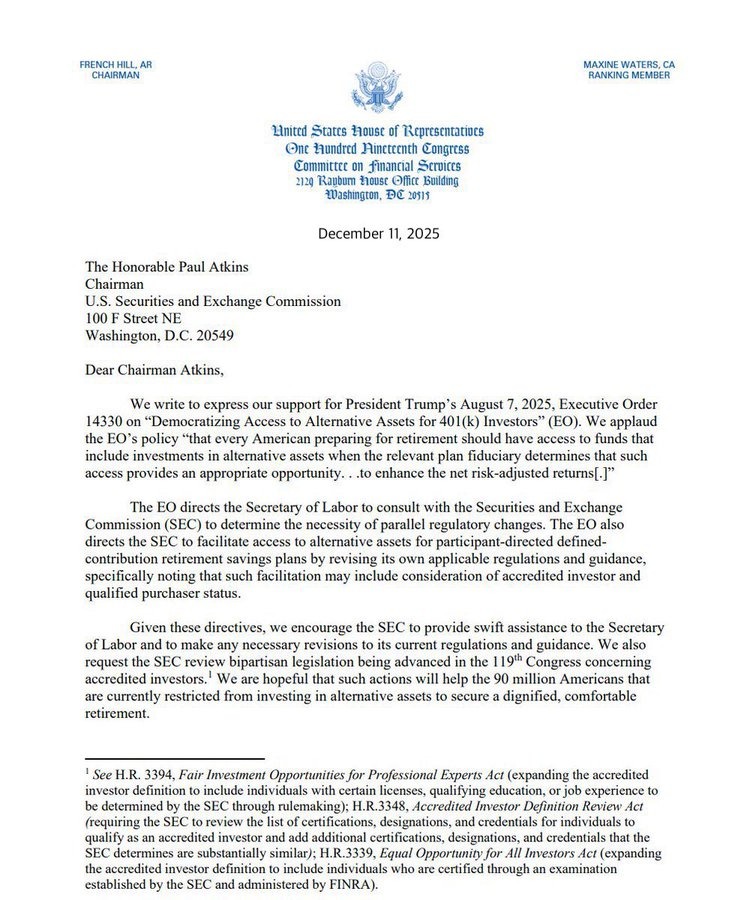
U.S. Lawmakers Push to Let Crypto Into 401(k) Plans, Bitcoin Eye $250,000
Zcash Halving and Its Impact on the Cryptocurrency Market
- Zcash's 2028 halving will reduce block rewards by 50%, lowering annual inflation to 1% as part of its deflationary model. - Historical data shows 2020 and 2024 halvings triggered massive price surges (500% and 1,172% respectively) driven by retail and institutional demand. - Institutional adoption like Grayscale's Zcash Trust and ZIP 1015 lockbox mechanism reinforced Zcash's privacy-focused value proposition. - Post-halving volatility risks persist due to Zcash's $10.3B market cap, concentrated ownership

Bitcoin slips under $90K after Oracle’s shock earnings miss sparks AI stock sell-off

Do Kwon faces sentencing in New York as TerraUSD collapse returns to spotlight
Trending news
MoreCrypto prices
More





