
The CFTC-Sanctioned Transformation in Clean Energy Trading
- CFTC's 2025 withdrawal of carbon credit derivatives guidance creates regulatory uncertainty but sparks innovation in blockchain/AI solutions. - OBBBA's 2026 construction deadline accelerates solar/wind project cancellations while preserving tax credit transferability mechanisms. - Battery storage, geothermal, and hydrogen emerge as resilient sectors amid market shifts, supported by IRA tax credits and OZ modernization. - Investors prioritizing domestic supply chains and third-party certified projects gai
Clean Energy Investment: Navigating a Transformative Era
The clean energy industry stands at a pivotal moment, presenting significant opportunities for investors willing to make bold moves. Recent regulatory changes, such as the Commodity Futures Trading Commission’s (CFTC) 2025 decision to rescind its guidance on voluntary carbon credit derivatives, have unsettled the market. At the same time, the One Big Beautiful Bill Act (OBBBA) has dramatically altered the landscape for tax incentives, prompting developers to accelerate their efforts to secure permits and financing. Despite these disruptions, certain segments—including battery storage, geothermal, and hydrogen—are demonstrating remarkable resilience and offer promising avenues for investment.
The CFTC’s Policy Shift: Risks and Opportunities
The CFTC’s decision to pull back on specific guidance for carbon credit derivatives has introduced a new layer of uncertainty for exchanges aiming to list these products. This regulatory ambiguity, as noted by Baker Donelson, has drawn criticism from groups like the Clean Air Task Force (CATF), who argue that removing these protections could compromise the integrity of the carbon credit market. Without established standards, it becomes increasingly difficult to assess crucial factors such as additionality and permanence, which may in turn undermine investor trust.
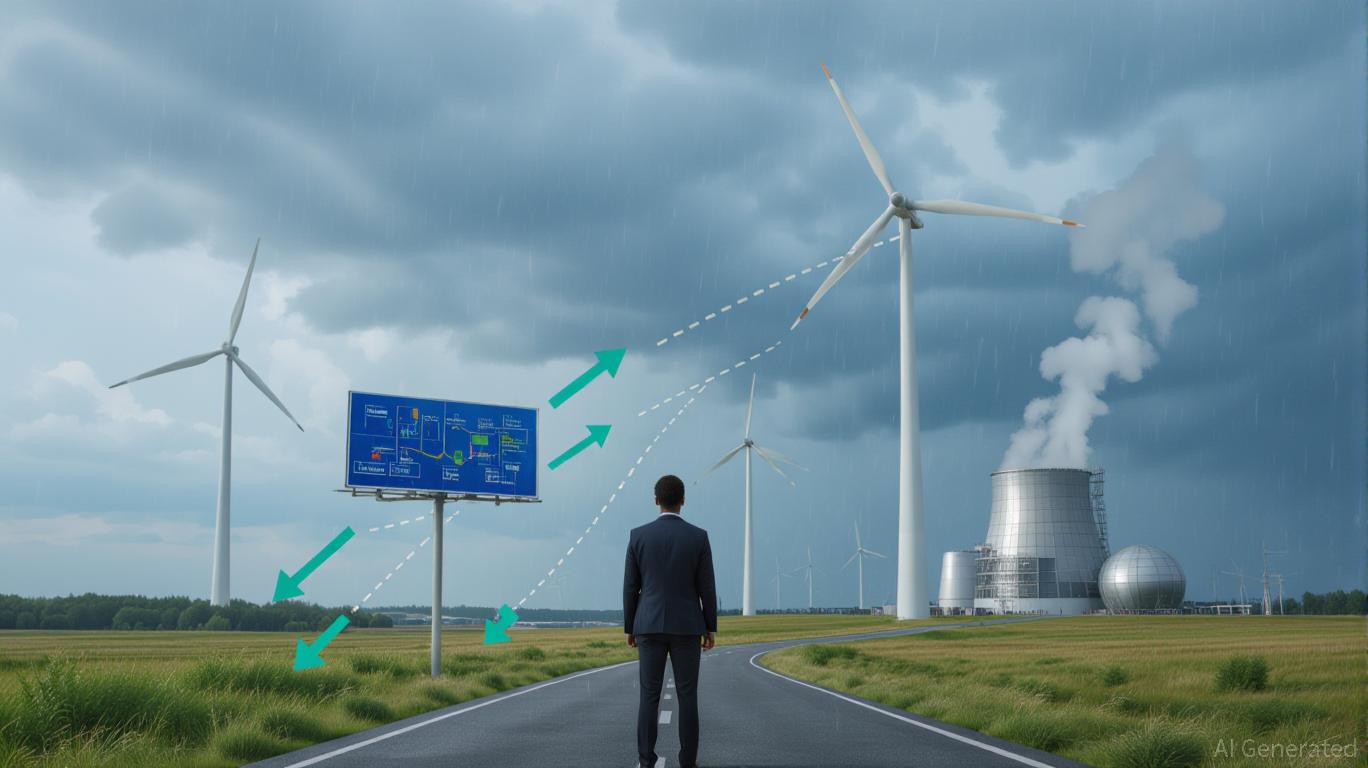
On the other hand, loosening regulations could pave the way for creative solutions. With fewer restrictions, exchanges might introduce innovative contract types that better serve corporate sustainability objectives. Emerging technologies—such as blockchain-based platforms for carbon credits and AI-powered verification systems—could improve transparency and address quality concerns. For those considering investment, prioritizing projects that hold strong third-party certifications, like those from Gold Standard or Verra, can help manage risks in this evolving environment.
OBBBA’s Accelerated Timelines: Challenges and Adaptation
The OBBBA has fundamentally changed the rules for clean energy tax benefits, expediting the phase-out of incentives for solar and wind initiatives. Developers now face a strict deadline of July 4, 2026, to commence construction or risk forfeiting access to the Investment Tax Credit (ITC) and Production Tax Credit (PTC), as highlighted by Alix Partners. This urgency has already led to the cancellation of more than $20 billion in projects during the first half of 2025 alone.
Nevertheless, the OBBBA maintains important features such as transferability and direct pay, enabling developers to monetize tax credits even if they lack tax liability. Companies like T1 Energy have responded by collaborating with domestic suppliers, such as Corning, to source components that comply with OBBBA’s stringent sourcing requirements. These strategic partnerships underscore the industry’s adaptability and highlight opportunities for investors who support businesses with flexible supply chains.
Emerging Strongholds: Where Investment is Flowing
While solar and wind projects are encountering obstacles, other technologies are gaining traction. Battery storage, for example, continues to thrive, bolstered by the Section 45X tax credit from the Inflation Reduction Act (IRA), which has stimulated domestic manufacturing of battery cells and modules. Production capacity in this sector now exceeds deployment rates. Geothermal and nuclear energy also benefit from extended eligibility for tax credits, with geothermal projects qualifying for incentives through 2033, according to CFR.
Additionally, Opportunity Zones (OZs) are becoming a vital resource for developers. The OBBBA’s reforms have made OZs permanent and increased incentives for rural investments, creating fertile ground for community-oriented renewable energy projects, as noted by Novo Capital. For instance, geothermal facilities in underserved areas can now leverage OZs to attract long-term investment, circumventing the constraints of traditional tax equity financing.
Looking Ahead: Investing in Resilient Sectors
Investors are advised to focus on sectors and projects that are well-positioned to meet both regulatory requirements and sustained demand. The rapid growth of AI data centers and efforts to decarbonize industry are fueling unprecedented energy needs, providing momentum for technologies like hydrogen and carbon capture. Meanwhile, companies that excel at building domestic supply chains—such as those manufacturing cathodes or solar wafers—are poised to benefit from OBBBA’s focus on energy independence, according to Novo Capital.
Although the CFTC’s regulatory rollback and OBBBA’s compressed timelines present challenges, they also serve as catalysts for progress. As one industry expert observed, the most successful investors are those who don’t just adapt to new rules, but leverage them to their advantage. The coming decade in sustainable energy will reward those who view obstacles as opportunities and take decisive action today.
Disclaimer: The content of this article solely reflects the author's opinion and does not represent the platform in any capacity. This article is not intended to serve as a reference for making investment decisions.
You may also like
Zcash Halving: What It Means for Cryptocurrency Investors in 2025
- Zcash's 2028 halving will reduce annual inflation to 1%, reinforcing its deflationary model after prior 50% block reward cuts in 2020 and 2024. - The 2024 halving triggered 1,172% price surge followed by 96% drop, highlighting volatility risks despite growing institutional investments like Grayscale's $137M Zcash Trust. - Privacy-focused hybrid model (shielded/transparent transactions) attracts institutional interest but faces EU MiCA regulatory scrutiny, requiring selective compliance strategies. - Inve
CleanTrade and the Evolution of Clean Energy Markets: Market Fluidity, Openness, and the Role of the CFTC
- CleanTrade, a CFTC-approved SEF, transforms clean energy markets by integrating VPPAs, PPAs, and RECs under institutional-grade transparency. - The platform unlocks liquidity through real-time pricing and centralized trading, accelerating net-zero transitions for corporations and utilities . - Enhanced transparency via project-specific REC data combats greenwashing, while regulatory alignment boosts investor confidence and market legitimacy. - By bridging traditional and renewable energy markets, CleanTr
The CFTC-Authorized Clean Energy Marketplace: An Innovative Gateway for Institutional Investors
- REsurety’s CleanTrade platform, CFTC-approved as a SEF, addresses clean energy market illiquidity and opacity by centralizing VPPAs, PPAs, and RECs. - Within two months of its 2025 launch, it attracted $16B in notional value, enabling institutional investors to streamline transactions and reduce counterparty risk. - By aggregating market data and automating compliance, CleanTrade enhances transparency, aligning with ESG priorities and regulatory certainty for institutional portfolios. - It democratizes a
SOL Drops 50%: Is This a Healthy Market Adjustment or the Onset of a Major Sell-Off?
- Solana's 50% price drop sparks debate over whether it signals a bear market correction or deeper structural selloff. - On-chain metrics show liquidity contraction and reduced exchange supply, but ETF inflows and validator activity suggest structural resilience. - Corporate transfers and the Upbit hack highlight volatility risks, while Solana's alignment with Bitcoin's trend underscores macroeconomic influence. - Key watchpoints include liquidity recovery timelines, ETF inflow sustainability, and potentia

Trending news
MoreCrypto prices
More





