
Falcon Finance adds tokenized Mexican CETES to USDf collateral framework

Falcon Finance is widening the USDf collateral base by adding CETES, the tokenized form of Mexico’s short-term sovereign bills from Etherfuse.
Falcon Finance , a universal collateralization layer that powers on-chain liquidity and yield generation, is expanding the USDf collateral base with the integration of CETES, the tokenized representation of short-duration Mexican sovereign bills issued by Etherfuse , a real-world asset (RWA) tokenization platform. This marks Falcon’s first non-USD sovereign-yield asset.
With CETES, Falcon expands USDf’s collateral foundation beyond the U.S. Treasury system, offering users exposure to sovereign yield in an emerging market while maintaining access to on-chain liquidity. This diversifies risk, expands the geographic footprint of Falcon’s collateral architecture, and brings real sovereign instruments from outside the U.S. into the DeFi economy.
CETES are tokenized through Etherfuse’s Stablebonds architecture, a bankruptcy-remote, transparently structured instrument backed 1:1 by short-term Mexican government debt. The tokens are issued natively on Solana, enabling high-frequency minting, instant settlement, and full on-chain liquidity. Daily NAV updates track the underlying sovereign exposure and make CETES a reliable, programmable building block for DeFi.
Mexico is among the world’s largest remittance destinations, receiving nearly $65 billion annually, with 99% of those inflows arriving through electronic transfers. This existing digital infrastructure makes the country one of the most natural markets for on-chain sovereign assets. Tokenized CETES, when used as collateral within Falcon, offer users in remittance-heavy economies a way to preserve exposure to local sovereign yield while unlocking dollar-denominated liquidity and accessing global DeFi markets.
For users, CETES provide access to regulated sovereign yield outside the U.S. dollar, while allowing holders to mint USDf without selling the underlying asset. This creates an alternative collateral path for users who want geographic and currency diversification, stable short-duration yield, and a direct bridge from real-world sovereign instruments into onchain liquidity.
For Falcon, the integration strengthens the protocol’s multi-collateral architecture by adding a high-quality, yield-bearing, non-USD sovereign instrument with clear duration and risk characteristics. CETES operate within a Basel-aligned analytical framework: short maturity, transparent sovereign credit profile, and no structural leverage. This improves the resilience and composition of the USDf collateral base while maintaining clarity around risk, liquidity, and valuation.
Disclaimer: The content of this article solely reflects the author's opinion and does not represent the platform in any capacity. This article is not intended to serve as a reference for making investment decisions.
You may also like
LUNA up 24.4% in 24 hours: Surge Fueled by Upgrades and Increased Inflows
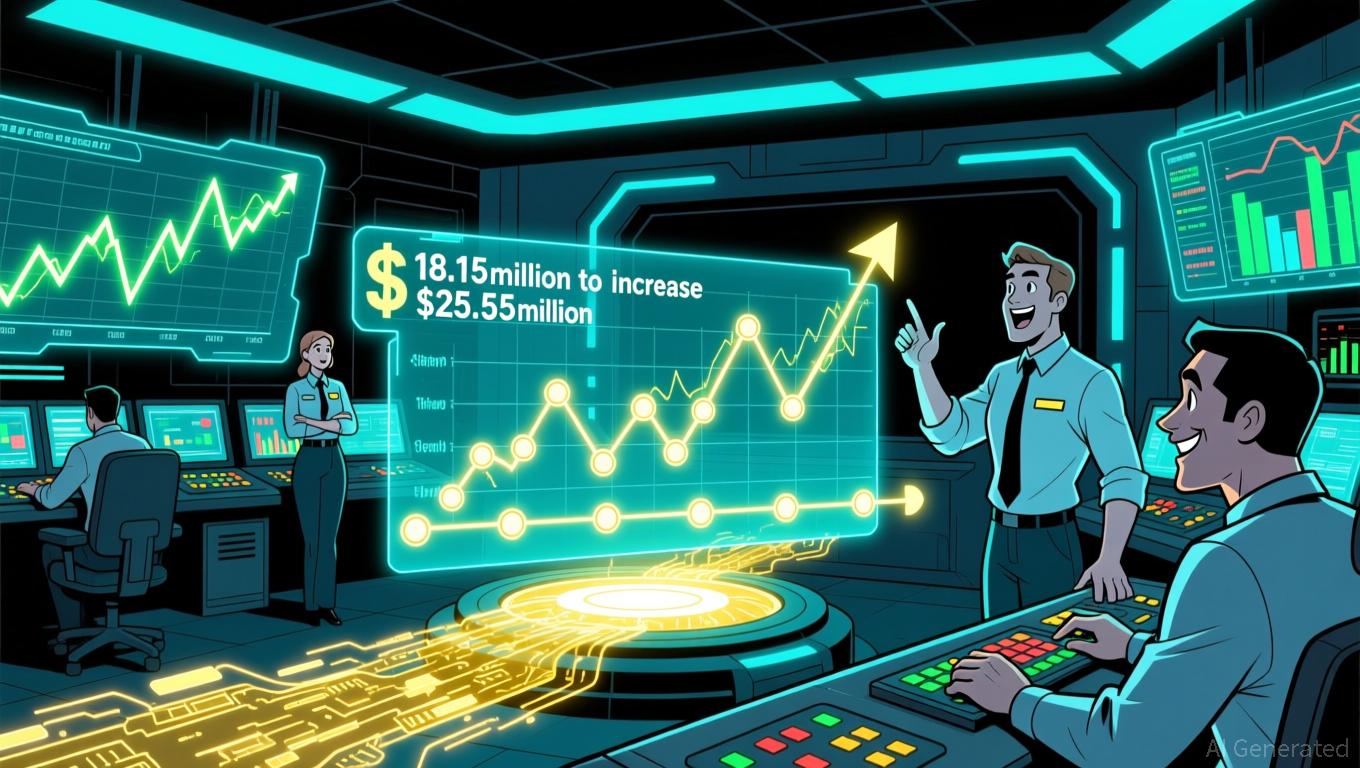
- LUNA surged 24.4% in 24 hours on Dec 10, 2025, driven by rising on-chain activity, capital inflows, and anticipation of a major network upgrade. - The terrad v3.6.1 upgrade, set for Dec 18, aims to resolve legacy contract issues and enhance security, with successful testnet trials and rollback options in place. - Futures open interest rose to $25.55M, while technical indicators suggest continued bullish momentum, targeting $0.000098 resistance if the 50-week EMA is sustained. - Legal proceedings against
Evaluating HYPE Token: Authenticity and Price Fluctuations Amid the Changing Meme Coin Scene
- Hyperliquid's HYPE token combines DeFi infrastructure with meme coin speculation, distinguishing itself through Layer-1 blockchain technology and structured governance. - Unlike DOGE or SHIB , HYPE features transparent governance proposals, deflationary buybacks ($2.1B projected), and institutional partnerships to counter volatility. - While HYPE's 13% price drop post-token unlock shows market sensitivity, its RSI and support levels suggest resilience compared to BONK's 185% weekly swings. - The token's

The Growing Need for STEM and Technical Studies in American Higher Education
- U.S. higher education is rapidly adopting EdTech SaaS to address STEM workforce demands, with the global market projected to grow from $200.86B in 2025 to $907.7B by 2034. - AI-driven platforms like Frizzle and Labster are revolutionizing STEM education through automated grading, virtual labs, and personalized learning solutions. - Strategic university partnerships and micro-credentialing models (e.g., SkillBloom) are bridging skills gaps in data science, cybersecurity, and engineering. - Investors face

The Influence of Educational Facilities on Sustained Economic Growth and Investment Patterns: Farmingdale State College’s Contribution to Preparing the Workforce and Regional Development
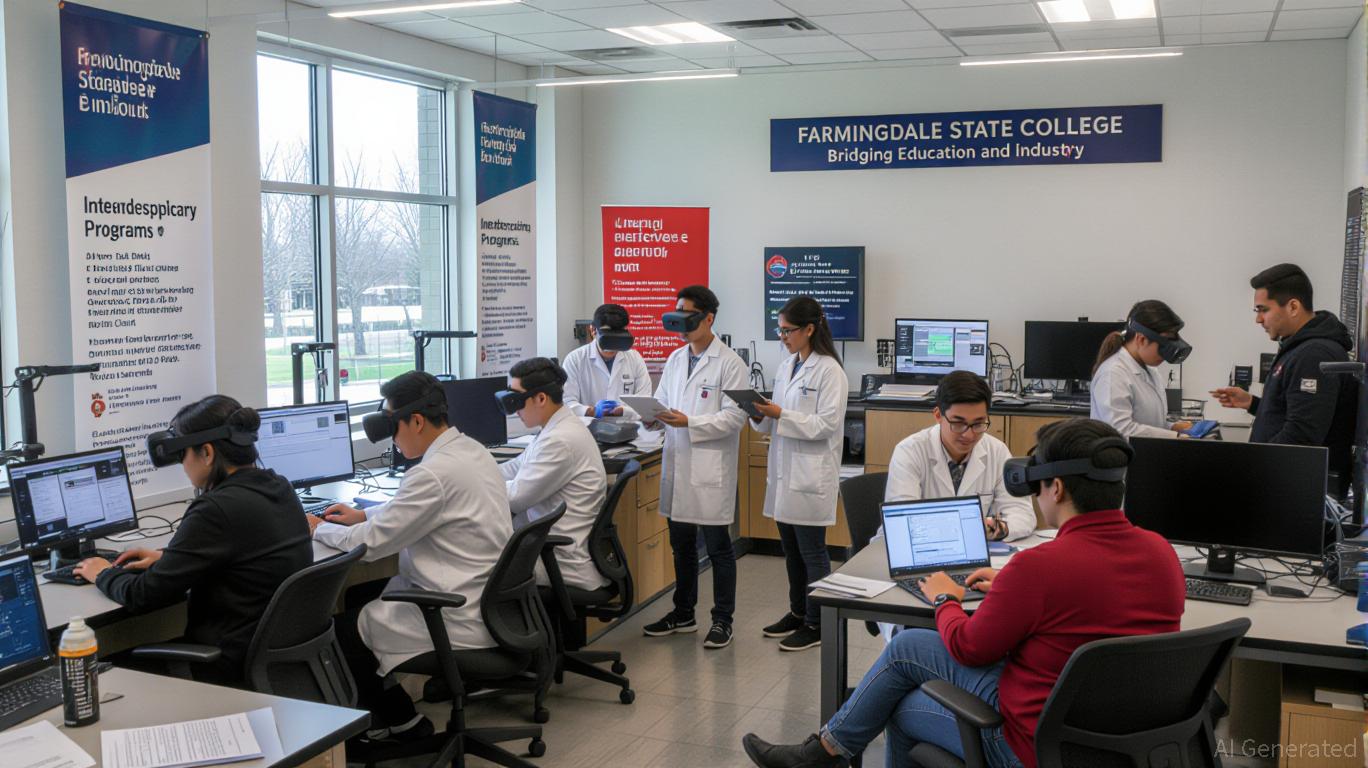
- Farmingdale State College (FSC) aligns interdisciplinary programs with workforce needs, boosting 80% six-month employment rates for 2025 graduates. - Its STEM Diversity Summit and inclusivity initiatives address labor gaps, fostering equitable pathways in biotech and renewable energy sectors. - A $75M Center for Computer Sciences and Broad Hollow Bioscience Park expansion aim to double tech enrollment and create 135 jobs, strengthening Long Island’s innovation ecosystem. - FSC’s focus on applied learning
Trending news
MoreCrypto prices
More





