
Long-term Bitcoin holders sell 265,715 BTC, largest monthly outflow since January
Key Takeaways
- Long-term Bitcoin holders sold 265,715 BTC over the last 30 days, marking the largest monthly outflow since January.
- Historically, large BTC outflows and position resets have preceded market stabilizations or rebounds, especially if selling exhaustion sets in.
Long-term Bitcoin holders sold 265,715 BTC in the last 30 days, marking the largest monthly outflow from this investor group since January.
The selling activity represents a shift toward profit-taking among Bitcoin investors who typically maintain positions for 155 days or more, according to on-chain data analyses published in mid-October 2025.
The outflow highlights heightened selling pressure from veteran Bitcoin investors amid ongoing market volatility. Long-term holders have recently moved away from their characteristic accumulation strategy, instead choosing to realize gains on positions held for extended periods.
Disclaimer: The content of this article solely reflects the author's opinion and does not represent the platform in any capacity. This article is not intended to serve as a reference for making investment decisions.
You may also like
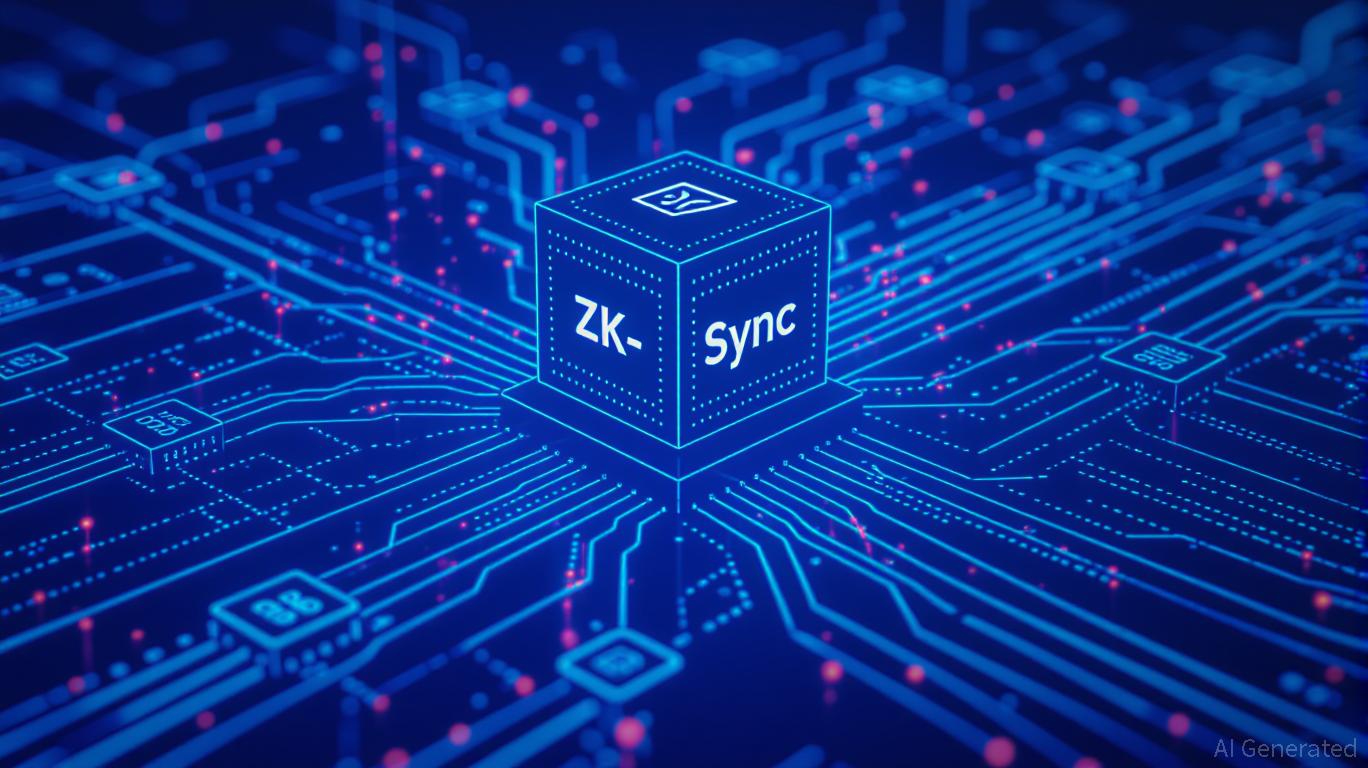
The Influence of ZK-Sync Integration on the Development of Ethereum’s Layer 2 Landscape and Scaling Approaches
- Vitalik Buterin's endorsement of ZK-Sync's Atlas upgrade highlights its role in Ethereum's scalability solutions, boosting its token price by 120%. - ZK-Sync's ZK-rollup architecture offers trustless security and cost efficiency, attracting enterprises like Deutsche Bank for real-world asset tokenization. - The ZK Layer 2 market is projected to grow at 60.7% CAGR by 2031, with ZK-Sync competing against Arbitrum and Optimism for TVL dominance.
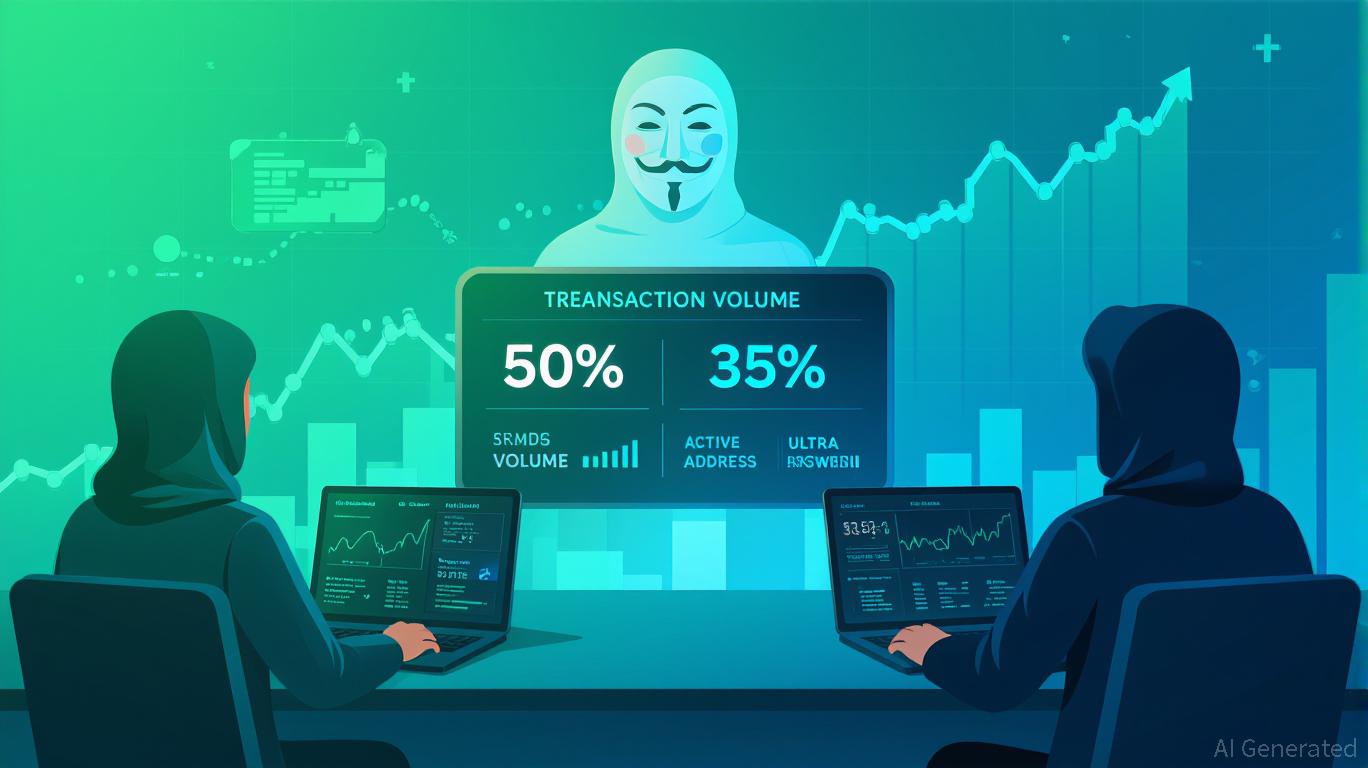
The Rapid Rise of DASH: Uncovering the Factors Behind This Week's Rally
- Dash (DASH) experienced a 7-day rally with 50% higher transaction volume despite 39% price decline, highlighting volume-price divergence. - 77% opaque transactions and whale activity patterns suggest potential speculative accumulation or manipulation amid privacy coin interest. - Technical indicators show bullish momentum with $84 buy zone, while analysts predict 100x price potential driven by privacy demand. - Cross-market confusion with DoorDash stock and regulatory risks create mixed sentiment, emphas
Zcash Halving and Its Impact on the Market: Supply Disruptions and Investor Attitudes in the Aftermath of Halving
- Zcash's 2025 halving cut block rewards by 50%, reducing annual inflation to 2% and reigniting debates on its privacy-focused role. - Institutional adoption grows with $151.6M Grayscale Trust and Zcash ETF proposals, balancing privacy with regulatory compliance. - Post-halving volatility saw ZEC surge 1,172% then plummet 96% in 16 days, exposing liquidity risks in its $10.3B market cap. - 70% of ZEC transactions now use shielded pools, but EU MiCA regulations and concentrated ownership create adoption unc

EU initiates antitrust investigation into Google's artificial intelligence search features
Trending news
MoreCrypto prices
More






