
Bitcoin, Ether Remain Resilient After Binance, Coinbase Suits, and Amid Long-Running Crypto Industry Turmoil

The two largest cryptos by market value have shown a remarkable ability to weather crypto turmoil and macroeconomic events over the past year.
What a difference a year makes?
The current environment in crypto bears some remarkable similarities to the turmoil of a year ago when prices plunged. Yet there are also fundamental differences that suggest markets are in a better place than before.
A year ago
In the space of 24 hours, starting June 13, crypto lender Celsius network paused user withdrawals on its platform and crypto hedge fund Three Arrows Capital (3AC) signaled its own insolvency issues.
BTC’s 15.4% decline that day , still ranks as the second largest single-day drop since 2019.
Fears of contagion roiled markets, as ETH simultaneously sold off 16.7%, its sixth largest decline since 2020.
Inflation was at the top of everyone’s mind as it is now. On June 16, the Federal Open Market Committee (FOMC) raised the target interest rate by 75 basis points, its largest increase in close to 30 years.
What’s still the same?
Similar to last year, the crypto world’s fortunes seem intertwined with the fortune of two entities. Last year, Three Arrows Capital and Celsius were in the limelight. Now crypto exchange giants Binance and Coinbase hold that position. Investors see the fate of many cryptos depending on the outcome of the suits and a determination about whether tokens are securities, commodities or otherwise. Prices of many of the 19 cryptos mentioned by the SEC plunged more than 20% last week before stabilizing.
Binance and Coinbase already appear to be suffering financially after the Securities and Exchange Commission’s decision to sue them for violating securities law – outflows from both soared last week, even if neither seems to have solvency issues. Binance faces charges that it commingled funds, while Coinbase is accused of selling unregistered securities, even though the SEC approved Coinbase’s initial public offering.
Still, the legal actions seem likely to keep markets off balance.
What’s different?
For starters, prices of BTC and ETH are 19% and 44% higher, respectively since last June 13, .
Relationships have changed also. BTC and ETH have not mirrored the 20% decline in Coinbase shares since the SEC’s filings.
Bitcoin and ether have decoupled from crypto entities in ways that did not occur last year.
BTC and ETH have traded more on their own accord, as their correlations with Coinbase shares have fallen 30% and 17%, respectively, over the last 365 days.
The SEC’s exclusion of bitcoin and ether from their seemingly arbitrary list of securities has offered the latest evidence that they should fall outside of the SEC’s purview.
Macroeconomic factors have taken precedence over risks to centralized entities, with data points like Tuesday’s Consumer Price Index (CPI) arguably drawing attention over the actions of the SEC.
Today’s CPI report showed annual headline inflation of 4%, slightly below expectations of 4.1%. The monthly CPI increase of 0.1% was also ahead of a projected 0.2% increase in prices.
The milder inflation data gives the FOMC room to pause its recent spate of rate hikes. Will crypto markets respond?
Last week’s dramatic events, those a year ago and the many others over the past months have occasionally affected bitcoin and ether but never broken them.
In the face of so much change, BTC and ETH have grown increasingly resilient.
Meanwhile, isn't it interesting that as we approach the anniversary of the 75 basis point hike, markets are now assigning a 97.6% probability that Wednesday's interest rate decision will result in no change, at all.

Edited by James Rubin.
Disclaimer: The content of this article solely reflects the author's opinion and does not represent the platform in any capacity. This article is not intended to serve as a reference for making investment decisions.
You may also like
BCH sees a 32.36% increase over the past year as the network undergoes upgrades and mining adjustments
- Bitcoin Cash (BCH) surged 32.36% in a year due to network upgrades, mining shifts, and positive market sentiment. - Price hit $574.7 on Dec 5, 2025, with 6.34% 30-day and 0.03% 24-hour gains. - 2024 protocol upgrade boosted transaction throughput, fees, and real-world payment adoption. - Mining pools shifted hashrate to BCH, enhancing security and decentralization. - Institutional support and fixed supply model drive BCH’s appeal as a scalable payment alternative.

ZEC Rises 11.19% in the Past 24 Hours Amid Increasing Average Short Positions
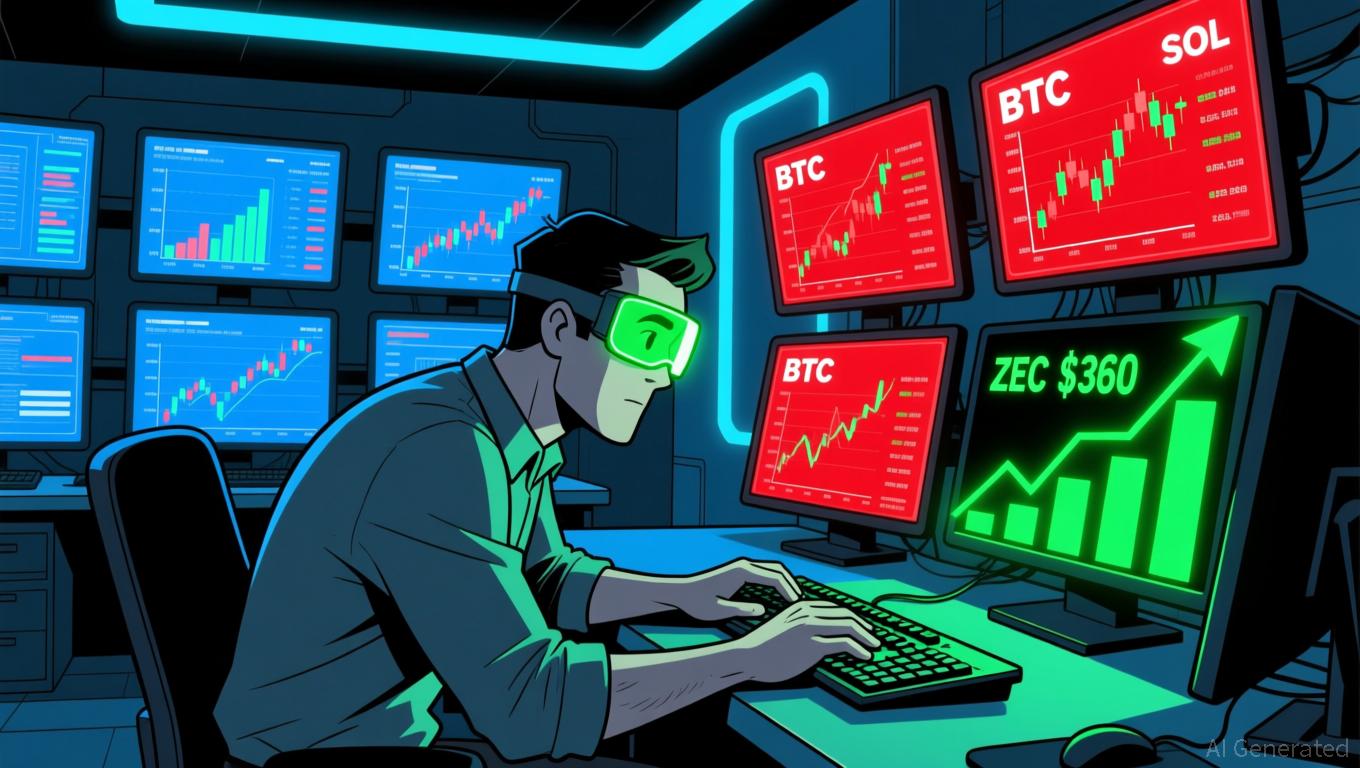
- Zcash (ZEC) rose 11.19% in 24 hours to $395.27 but fell 4.99% weekly/monthly amid mixed performance. - "Calm Long King" trader increased ZEC short positions to $2.51M, raising average entry price to $360 with 20% unrealized gains. - ZEC shorting reflects cautious optimism as traders adjust exposure amid volatility, with BTC/SOL shorts showing $160k combined losses. - The trader's recent 15-trade winning streak contrasts November setbacks, highlighting shifting market dynamics in altcoin trading.
ZEC Value Rises 5.73% as Short Sellers Adjust Positions During Market Fluctuations
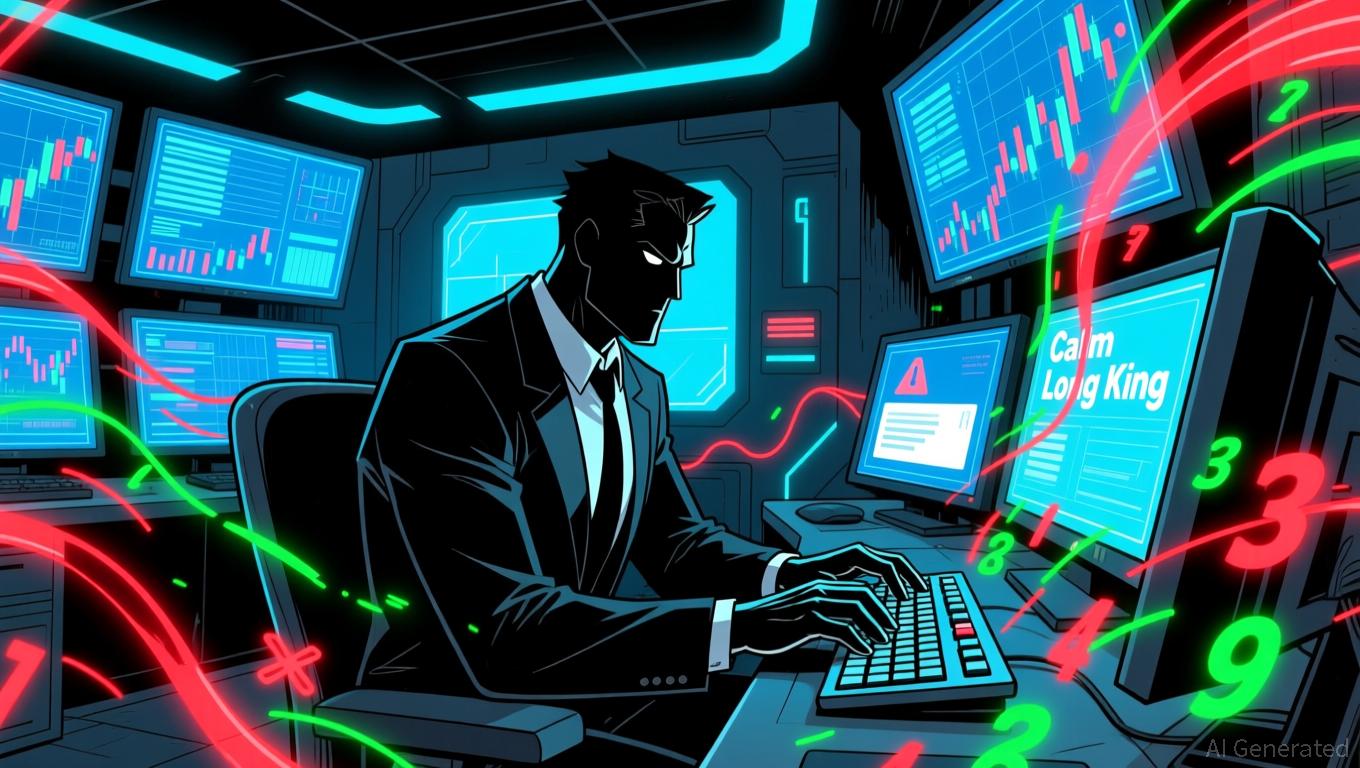
- ZEC surged 5.73% in 24 hours to $385.59, defying 9.19% weekly/monthly declines but rising 590.63% annually amid market turbulence. - "Calm Long King" trader increased ZEC short positions to $2.51M (10x leverage) with a $20K unrealized gain, contrasting losses in BTC and SOL shorts. - The trader's $17.29M ZEC short exposure reflects volatile market dynamics, with leveraged positions showing mixed gains/losses as crypto prices swing sharply. - ZEC's 24-hour rebound highlights risks for short sellers in a m
ZEC Rises 4.77% Amid Increased Short Positions and Market Rebound
- ZEC surged 4.77% in 24 hours to $386.31, with a 584.4% annual gain despite recent declines. - A prominent trader increased ZEC short positions to $17.29M, showing a $20k gain but larger losses in BTC and SOL. - Market recovery and short-position adjustments highlight ZEC’s volatility, with analysts warning of potential downward pressure if prices rise further.
Trending news
MoreCrypto prices
More





