
SEC Chair Paul Atkins Says U.S. Is ‘10 Years Behind’ in Crypto, Pledges Stronger Framework for Innovation

Quick Breakdown
- SEC Chair Paul Atkins said the U.S. is “a decade behind” in crypto innovation.
- The regulator plans to introduce an “innovation exemption” to support experimentation.
- Atkins supports developing regulated superapps to modernize U.S. financial services.
U.S. trails in crypto development, SEC chair admits
The United States is “probably 10 years behind” in cryptocurrency advancement, according to U.S. Securities and Exchange Commission (SEC) Chair Paul Atkins. Speaking at the DC Fintech Week event in Washington, D.C., on Wednesday, Atkins said closing this gap has become a top priority for the regulator.
“The crypto aspect is our job one,” he stated, adding that the SEC’s immediate goal is to create a regulatory environment that draws innovators back to the country. “We want a strong framework that attracts people who may have fled,” Atkins said, emphasizing the agency’s renewed openness to digital innovation.
“I like to say that we’re the securities and innovation commission now,” he quipped.
SEC eyes ‘innovation exemption’ to encourage experimentation
Atkins revealed that the SEC is exploring an “innovation exemption” — a regulatory flexibility that would allow room for experimentation with new crypto ideas and technologies, encouraging responsible development while maintaining investor protection and market integrity.
“We have broad authority to make exemptions under our statutes,” he explained. “That gives us the opportunity to be forward-leaning and truly accommodate innovation.”
The move signals a shift in the SEC’s stance toward digital assets after years of regulatory ambiguity and enforcement-led oversight.
Push for superapps and regulatory coordination
Atkins also expressed strong support for developing financial “superapps” — platforms that integrate payments, investments, and other financial services in one interface. He pointed to the success of Chinese apps like WeChat as models that could inspire the U.S. market if backed by coordinated regulations.
“Thinking about regulatory coordination as an app itself is very clever,” Atkins said, suggesting it could help streamline collaboration across U.S. financial agencies.
While he did not disclose specific plans for such coordination, Atkins stressed the SEC’s commitment to making the U.S. “a home for crypto innovation, not an afterthought.”
“Take control of your crypto portfolio with MARKETS PRO, DeFi Planet’s suite of analytics tools.”
Disclaimer: The content of this article solely reflects the author's opinion and does not represent the platform in any capacity. This article is not intended to serve as a reference for making investment decisions.
You may also like
Is the moat of public blockchains only 3 points? Alliance DAO founder's remarks spark heated debate in the crypto community
Instead of worrying about "moats," perhaps we should focus more on how cryptocurrencies can meet the real needs of more market users faster, at lower cost, and with greater convenience.

Digital Finance Game: Unveiling the US Cryptocurrency Strategy

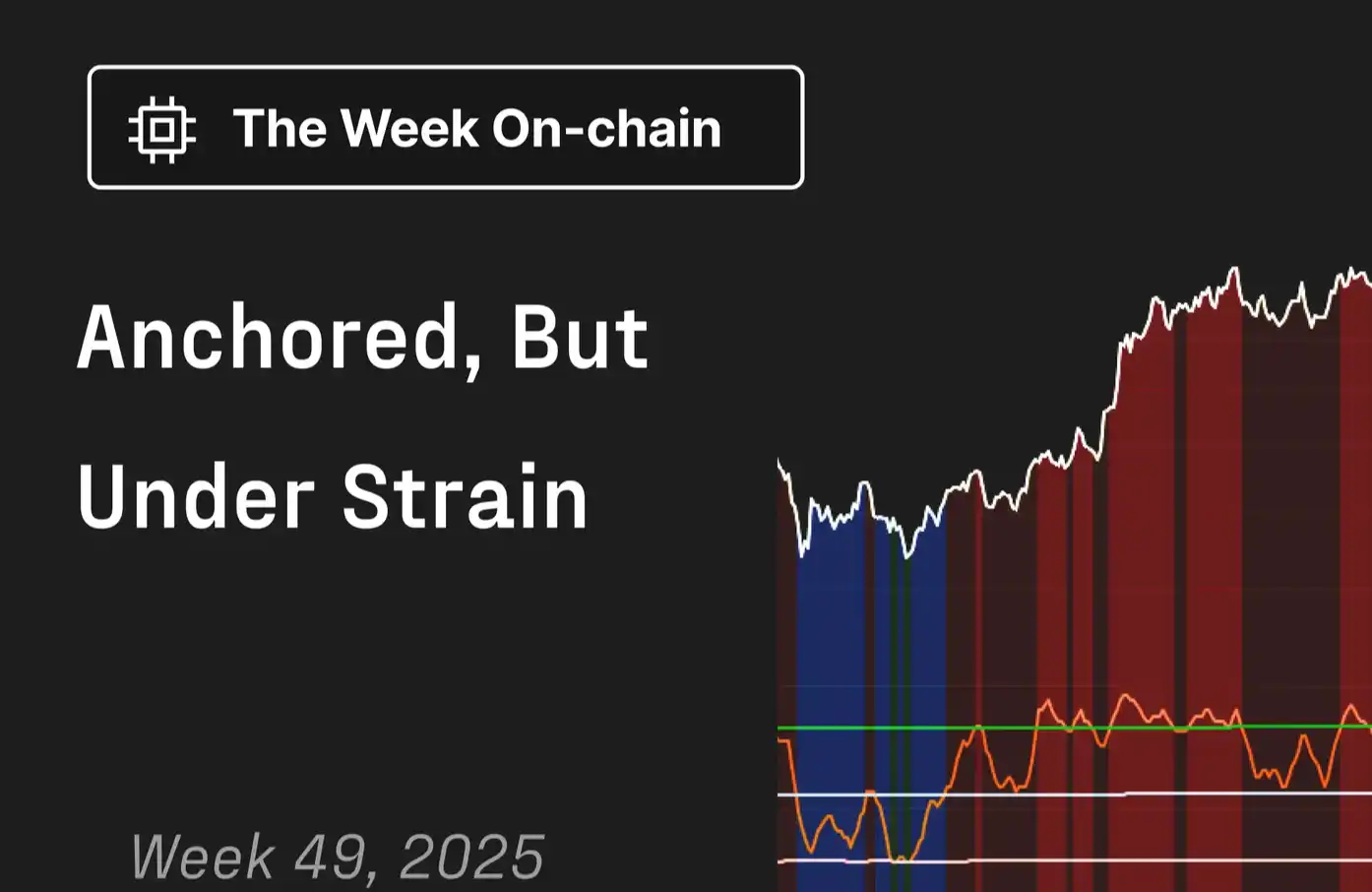
Glassnode: Bitcoin weakly fluctuates, is major volatility coming?
If signs of seller exhaustion begin to appear, it is still possible in the short term for bitcoin to move towards the $95,000 level and the short-term holder cost basis.
Axe Compute (NASDAQ: AGPU) completes corporate restructuring (formerly POAI), enterprise-level decentralized GPU computing power Aethir officially enters the mainstream market
Predictive Oncology officially announced today that it has changed its name to Axe Compute and will trade on Nasdaq under the ticker symbol AGPU. This rebranding marks Axe Compute's transition into an enterprise-level operator, officially commercializing Aethir's decentralized GPU network to provide robust, enterprise-grade computing power services for AI companies worldwide.
Trending news
MoreCrypto prices
More





