
$800 Billion Crypto Crash: Why Bitcoin, Ethereum, XRP and Altcoins Are Falling

The cryptocurrency market suffered a massive wipeout, erasing nearly $800 billion in value within 24 hours. Around $19.2 billion in leveraged positions were liquidated as panic spread across exchanges.
Bitcoin plunged to $110,951, marking a 16% drop, while Ethereum slipped to $3,795, down more than 12%. The total crypto market capitalization fell to $3.69 trillion, its sharpest single-day decline in months. Altcoins were hit even worse. XRP fell 25% to $2.34, and Dogecoin dropped 28% to $0.18. Solana slid to $177, Cardano fell over 25%, and BNB lost ground, trading near $1,122.
What Sparked the Selloff
Analyst Ash Crypto explained that the market’s collapse was like a chain reaction, a sudden stop in a highly leveraged game where too many traders had borrowed money to stay in. When prices started falling, everything quickly unraveled.
The setup had been building for weeks. Crypto traders, especially on major centralized exchanges, were using heavy leverage, borrowing funds to amplify their bets. Many used “cross-margin” accounts, where one pool of collateral backed several trades at once. This made the market very fragile.
Why the Market Was Vulnerable
The trigger came when the United States announced new tariffs, creating fear across global markets. Bitcoin and Ethereum fell first, and because crypto assets tend to move together, altcoins followed. Their thin order books made the situation worse since even small sell orders caused large price drops.
As prices broke below key levels, exchanges began automatic liquidations to cover loans. This forced the sale of collateral, often in altcoins, which pushed prices down even further. One liquidation led to another, creating a domino effect that erased more than 20 billion dollars in positions within hours.
Crash or Cleansing?
Ash explained that this type of liquidation cascade is common when leverage gets too high. He also noted that such crashes often reset the market and prepare it for the next major rally.
He added that similar events, such as the COVID crash in 2020 and the FTX collapse in 2022, both led to massive bull runs afterward. If history repeats, this sharp correction might be setting up another strong comeback later this year.
Disclaimer: The content of this article solely reflects the author's opinion and does not represent the platform in any capacity. This article is not intended to serve as a reference for making investment decisions.
You may also like
Five charts to help you understand: Where does the market go after each policy storm?
After this regulatory crackdown, is it a harbinger of an impending downturn, or the beginning of a new cycle where all negative news has been fully priced in? Let’s examine the trajectory after the storm through five key policy milestones.

Mars Morning News | The crypto market rebounds across the board, Bitcoin rises above $94,500; The "CLARITY Act" draft is expected to be released this week
The crypto market has fully rebounded, with bitcoin surpassing $94,500 and US crypto-related stocks rising across the board. The US Congress is advancing the CLARITY Act to regulate cryptocurrencies. The SEC chairman stated that many ICOs are not securities transactions. Whales are holding a large number of profitable ETH long positions. Summary generated by Mars AI. The accuracy and completeness of the content generated by the Mars AI model is still being iteratively updated.

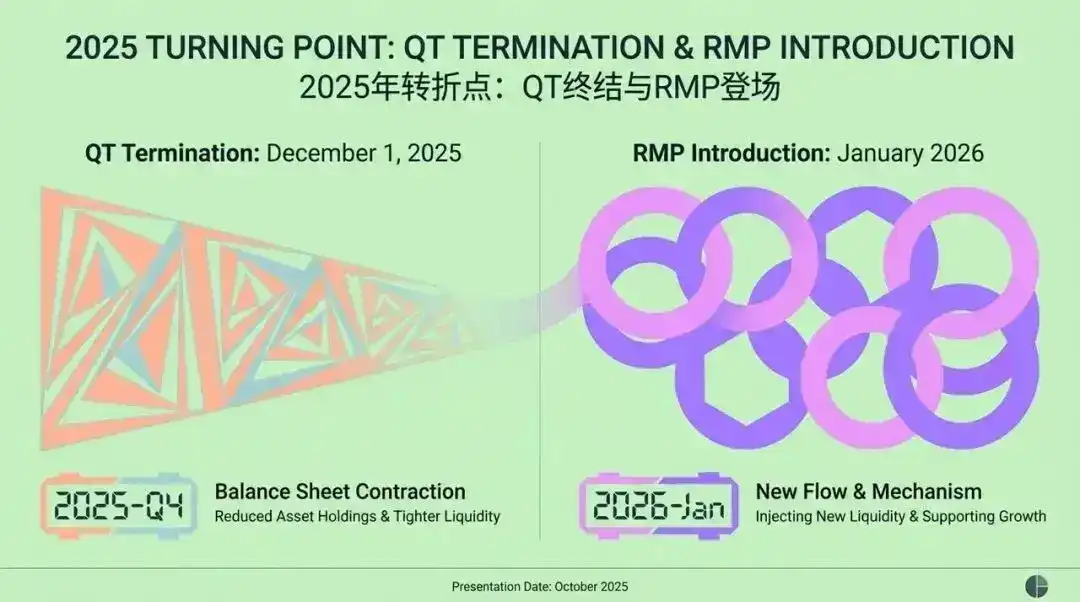
Federal Reserve’s Major Shift: From QT to RMP, How Will the Market Transform by 2026?
The article discusses the background, mechanism, and impact on financial markets of the Federal Reserve's introduction of the Reserve Management Purchases (RMP) strategy after ending Quantitative Tightening (QT) in 2025. RMP is regarded as a technical operation aimed at maintaining liquidity in the financial system, but the market interprets it as a covert easing policy. The article analyzes RMP's potential effects on risk assets, the regulatory framework, and fiscal policy, and provides strategic recommendations for institutional investors. Summary generated by Mars AI This summary was generated by the Mars AI model, and the accuracy and completeness of its content are still in the process of iterative improvement.
Rate Hike in Japan: Will Bitcoin Resist Better Than Expected?

Trending news
MoreCrypto prices
More





