
Babylon proposes BTC-BABY co-staking to lower inflation

Babylon has proposed cutting BABY inflation and launching BTC-BABY co-staking, a system designed to align Bitcoin and BABY holders while reducing supply growth.
- The proposal aims to cut inflation from 8% to 5.5%.
- BTC-BABY co-staking aligns Bitcoin and BABY holders.
- Testnet in September, mainnet launch in October.
Babylon has put forward a governance proposal that would cut BABY inflation and introduce a co-staking system linking Bitcoin with the network’s native token.
According to the Sept. 29 forum post , the plan aims to lower annual inflation from 8% to 5.5%, reducing supply growth by approximately 30%. At the same time, a co-staking mechanism would allow Bitcoin ( BTC ) stakers to boost their rewards by also staking BABY, thereby strengthening demand for the native token.
Inflation adjustment for sustainability
Under the proposal, annual inflation would fall from the current 8%, which is evenly split between Bitcoin and BABY stakers, to a new breakdown of 1% for BTC stakers, 2% for BABY stakers, and 2.35% reserved for BTC-BABY co-stakers. Another 0.15% would be shared between validators and finality providers to maintain network security.
This adjustment brings overall inflation down to 5.5% per year, slowing the growth of BABY’s supply while preserving incentives for participation. Babylon said the shift reflects a move from bootstrapping adoption to ensuring long-term sustainability, supported by the $6.38 billion in Bitcoin already staked through its protocol.
Co-staking to align holders
The proposed co-staking system ties Bitcoin staking more closely to BABY. For every 20,000 BABY staked, one BTC becomes eligible for extra rewards. A user pairing 6 BTC with 50,000 BABY would earn enhanced returns on 2.5 BTC, while staking 6 BTC with 150,000 BABY would make the entire position eligible.
Babylon said this design strengthens alignment between Bitcoin holders and BABY stakers, giving both groups a direct incentive to participate more deeply in the network. The team expects the mechanism to go live on testnet in late September, with mainnet deployment planned for October.
The proposal also sets the stage for further adjustments once trustless Bitcoin vaults are introduced. These vaults, still in development, will allow native BTC to interact with decentralized finance applications across chains without bridging or wrapping.
Babylon said its tokenomics will evolve alongside these launches, but the immediate step is to reduce inflation and integrate BTC and BABY through co-staking.
Disclaimer: The content of this article solely reflects the author's opinion and does not represent the platform in any capacity. This article is not intended to serve as a reference for making investment decisions.
You may also like
Stablecoin Legislation Booms Globally, Why Is China Taking the Opposite Approach? An Article to Understand the Real National Strategic Choices
Amid the global surge in stablecoin legislation, China has chosen to firmly curb stablecoins and other virtual currencies, while accelerating the development of the digital yuan to safeguard national security and monetary sovereignty. Summary generated by Mars AI. This summary is produced by the Mars AI model and its accuracy and completeness are still being iteratively improved.
Liquidity migration begins! Japan becomes the Fed's "reservoir," 120 billions in carry trade returns set to ignite the December crypto market
The Federal Reserve has stopped quantitative tightening and may cut interest rates, while the Bank of Japan plans to raise rates, changing the global liquidity landscape and impacting carry trades and asset pricing. Summary generated by Mars AI. This summary is produced by the Mars AI model, and the accuracy and completeness of its content are still under iterative improvement.

Weekly Hot Picks: Bank of Japan Sends Strongest Rate Hike Signal! Is the Copper Market Entering a Supercycle Rehearsal?
The leading candidate for Federal Reserve Chair is being questioned for potentially "accommodative rate cuts." Copper prices have reached a historic high, and a five-hour meeting between the United States and Russia ended without results. Expectations for a Japanese interest rate hike in December have surged, and Moore Threads' stock soared more than fivefold on its first day... What market moves did you miss this week?
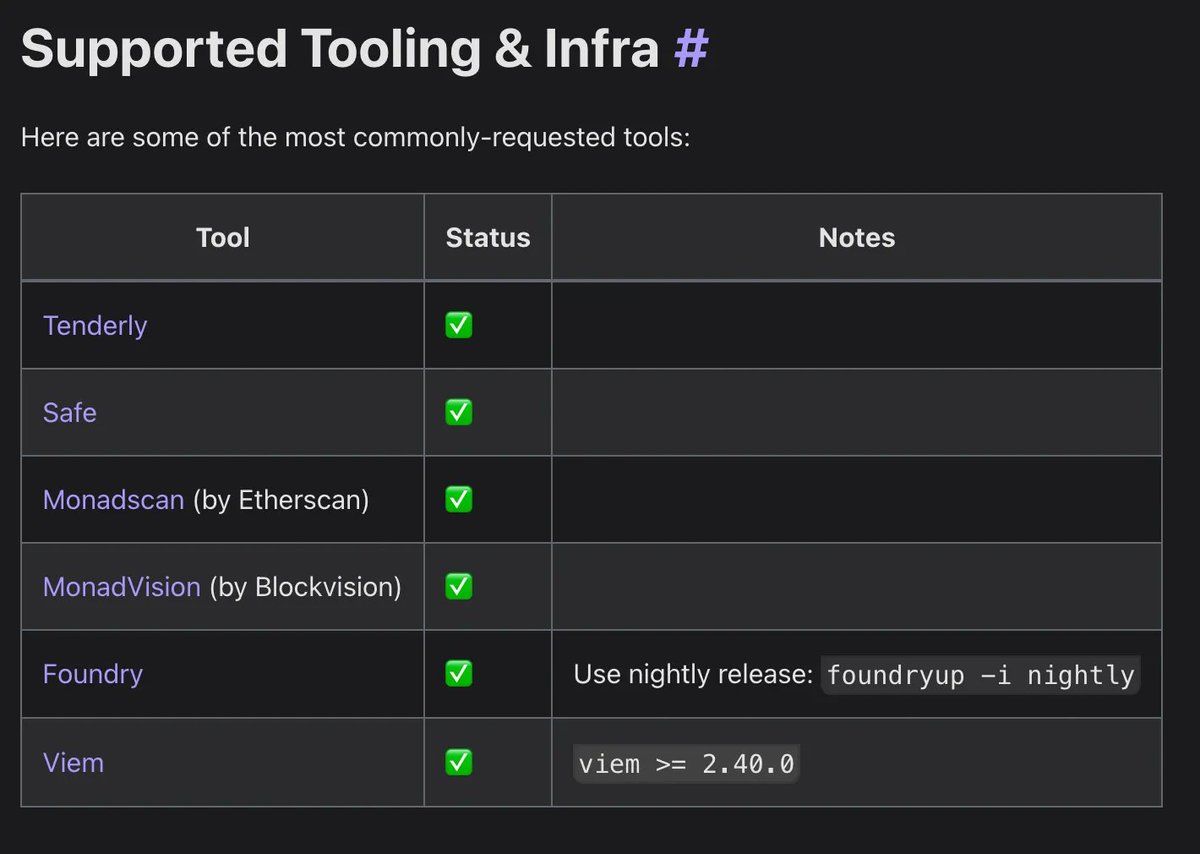
Monad Practical Guide: Welcome to a New Architecture and High-Performance Development Ecosystem
This article will introduce some resources to help you better understand Monad and start developing.
Trending news
MoreCrypto prices
More





