
MANTRA Bets Big on Buybacks to Fuel RWA Revolution
- MANTRA announced a $25M OM token buyback, part of a $45M strategy to boost token value and investor confidence. - The RWA market hit $26.5B, with Ethereum leading at 51.79% of tokenized assets. - Buybacks aim to counter dilution and align with growing institutional interest in tokenized gold and Treasuries. - Hong Kong's regulatory advancements and platforms like Fopay highlight stablecoin-RWA convergence, strengthening MANTRA's market position.
MANTRA, a digital asset platform, has announced a new $25 million minimum funding commitment for the first of its strategic OM token buybacks, bringing the total commitments to $45 million. The buyback initiative is part of the company's broader strategy to strengthen its tokenomics and value proposition for investors. This move follows recent developments in the stablecoin and tokenized real-world assets (RWA) markets, where tokenization is gaining traction as a transformative force in financial infrastructure. MANTRA’s buyback aligns with broader trends of institutional-grade digital asset solutions gaining momentum in regulated markets, particularly in Asia.
The tokenized real-world assets market has continued to expand, with total onchain RWA value reaching $26.5 billion as of August 27, 2025, representing a 4.13% increase over the previous 30 days. Ethereum remains the dominant blockchain for RWA tokenization, hosting 316 assets with a total value of $7.57 billion and accounting for 51.79% of the market. MANTRA’s OM token buybacks are set against a backdrop of growing interest in tokenized gold and U.S. Treasuries, with Paxos Gold (PAXG) and Tether Gold (XAUT) being among the most actively traded tokens. These trends highlight the increasing adoption of tokenized assets as both speculative and hedging tools in the digital financial landscape.
MANTRA’s buyback initiative is not an isolated event but part of a broader wave of token repurchase strategies by blockchain-native platforms. This strategy is often used to signal confidence in long-term value and to counteract the dilutive effects of new token issuance. The $25 million commitment represents a significant allocation of capital, signaling the company's intent to enhance token utility and scarcity. Such strategies are commonly employed in both traditional and digital markets to manage supply dynamics and investor sentiment. By injecting this level of capital into the buyback process, MANTRA is positioning itself to attract both retail and institutional investors seeking exposure to a robust tokenized financial infrastructure.
MANTRA’s strategic buyback is also reflective of the growing confluence between stablecoins and tokenized assets. The Hong Kong Stablecoin Forum, held at the Conrad Hong Kong, underscored the regulatory and technological advancements that are enabling this convergence. Fopay, a digital payment platform operating under a Hong Kong-listed entity, demonstrated how stablecoin technology can simplify digital payments and bridge the gap between Web3 and traditional financial systems. These innovations are particularly relevant to MANTRA’s strategy, as they highlight the increasing role of digital assets in cross-border transactions and institutional finance. The regulatory clarity emerging in markets like Hong Kong is likely to further accelerate the adoption of tokenized assets and stablecoin-based services.
The financial implications of MANTRA’s buyback strategy are multifaceted. By committing $45 million to OM token repurchases, the company is effectively reallocating capital toward strengthening its token’s value proposition. This approach could lead to increased token demand, potentially driving price appreciation and improving market liquidity. Additionally, by aligning with the broader trends in tokenization and digital finance, MANTRA positions itself as a key player in the evolving financial infrastructure landscape. The success of this strategy will depend on various factors, including the performance of the broader RWA and stablecoin markets, the platform’s ability to execute its vision, and the response from institutional and retail investors alike.
As tokenized assets continue to gain mainstream traction, MANTRA’s strategic buyback represents a forward-looking approach to capital management in the digital asset space. The company’s commitment to OM tokens underscores its confidence in the long-term potential of its platform and the broader market. With growing institutional interest in tokenized gold, U.S. Treasuries, and other real-world assets, the RWA market is set to play a pivotal role in shaping the next phase of financial innovation. MANTRA’s buyback strategy, therefore, is not only a financial maneuver but a strategic step in securing its position in this rapidly evolving landscape.

Disclaimer: The content of this article solely reflects the author's opinion and does not represent the platform in any capacity. This article is not intended to serve as a reference for making investment decisions.
You may also like
Stablecoin Legislation Booms Globally, Why Is China Taking the Opposite Approach? An Article to Understand the Real National Strategic Choices
Amid the global surge in stablecoin legislation, China has chosen to firmly curb stablecoins and other virtual currencies, while accelerating the development of the digital yuan to safeguard national security and monetary sovereignty. Summary generated by Mars AI. This summary is produced by the Mars AI model and its accuracy and completeness are still being iteratively improved.
Liquidity migration begins! Japan becomes the Fed's "reservoir," 120 billions in carry trade returns set to ignite the December crypto market
The Federal Reserve has stopped quantitative tightening and may cut interest rates, while the Bank of Japan plans to raise rates, changing the global liquidity landscape and impacting carry trades and asset pricing. Summary generated by Mars AI. This summary is produced by the Mars AI model, and the accuracy and completeness of its content are still under iterative improvement.
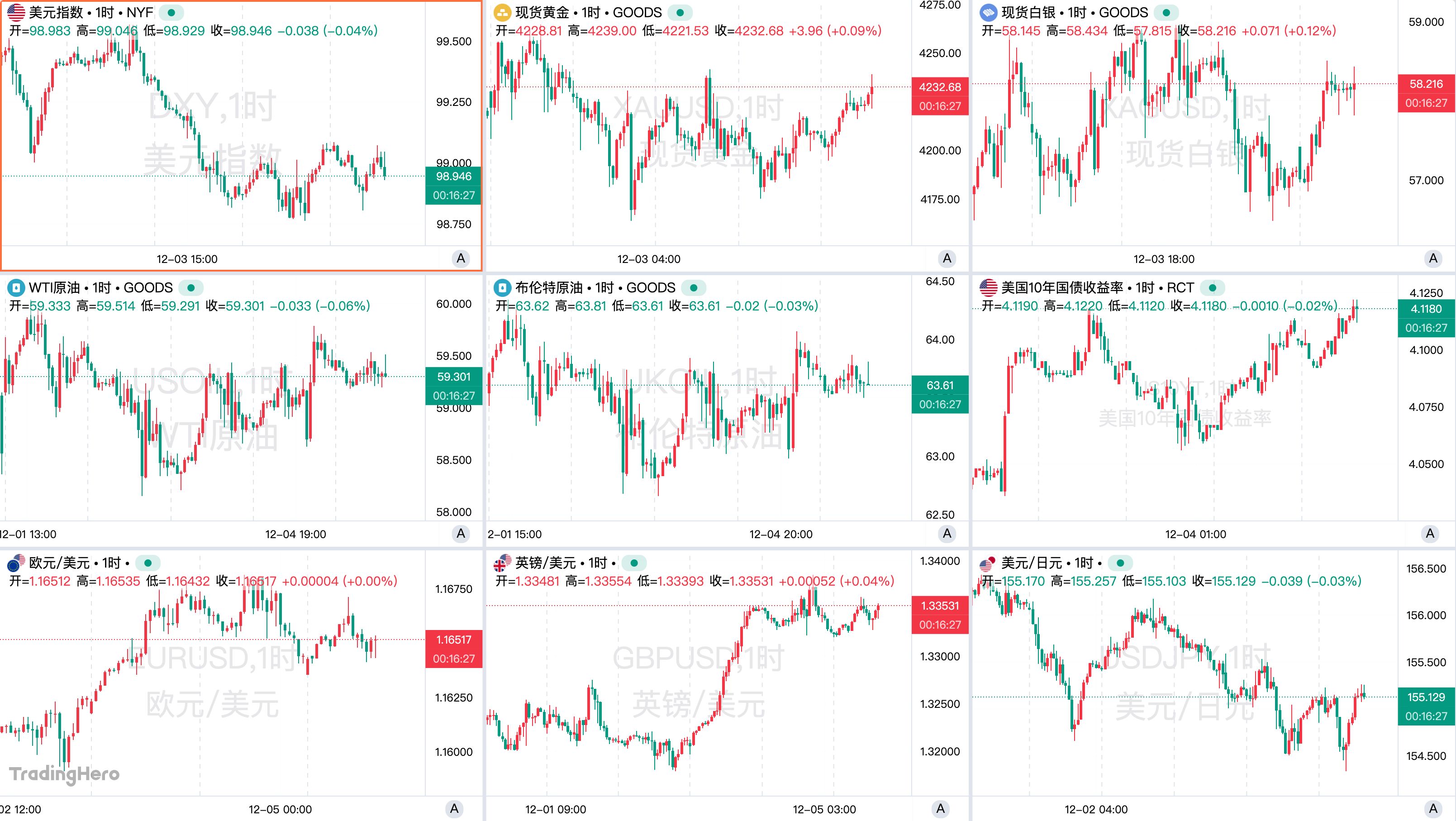
Weekly Hot Picks: Bank of Japan Sends Strongest Rate Hike Signal! Is the Copper Market Entering a Supercycle Rehearsal?
The leading candidate for Federal Reserve Chair is being questioned for potentially "accommodative rate cuts." Copper prices have reached a historic high, and a five-hour meeting between the United States and Russia ended without results. Expectations for a Japanese interest rate hike in December have surged, and Moore Threads' stock soared more than fivefold on its first day... What market moves did you miss this week?
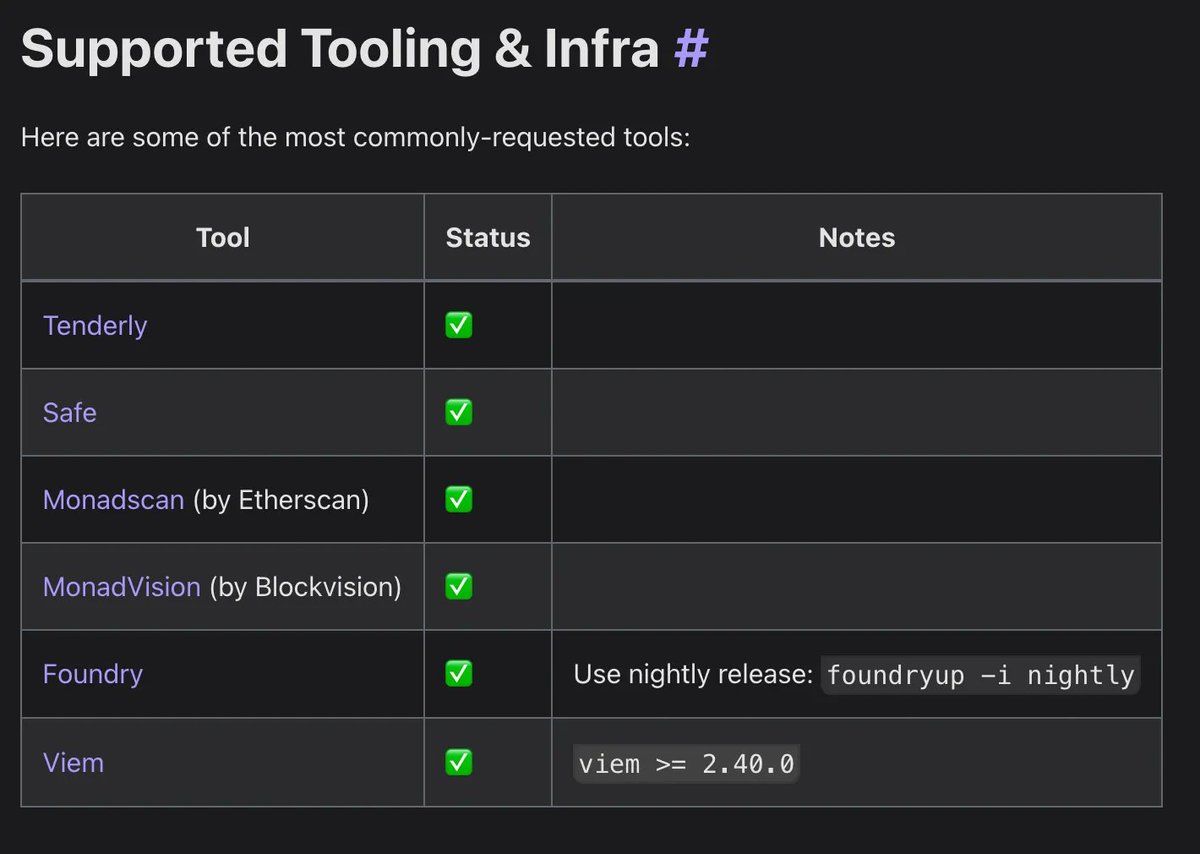
Monad Practical Guide: Welcome to a New Architecture and High-Performance Development Ecosystem
This article will introduce some resources to help you better understand Monad and start developing.
Trending news
MoreCrypto prices
More





