
Bitwise releases spot Ethereum ETF correlation analysis: very similar to the analysis results of the US SEC in the spot Bitcoin ETF approval order
Golden Finance reports that Bitwise has released a new correlation analysis as part of its new spot Ethereum ETF documentation. This is the first Ethereum correlation analysis to replicate the specific methodology used by the SEC in evaluating Bitcoin, and the results are encouraging. Over the entire sample period, the difference in hourly correlations is only 0.2%, the difference in five-minute correlations is 5%, and the difference in one-minute correlations is 8%. To replicate the specific methodology used by the U.S. SEC when evaluating Bitcoin, Bitwise’s research used the following methods: Same sample period length: ~2.5 years; Same intraday correlation intervals: 1 hour, 5 minutes, and 1 minute; ·Same market Coinbase/Kraken vs. CME; ·Same correlation statistic, Pearson correlation of log returns; ·Same three-month rolling window min/max analysis. We believe that the results show a strong correlation between the ETH spot market and the CME ETH futures market, at levels very similar to the results of the U.S. SEC’s analysis in the spot Bitcoin ETF approval order. The analysis is included in a new 19b-4 filing today by NYSE Arca, which seeks approval for the listing of Bitwise’s spot Ethereum ETF.
Disclaimer: The content of this article solely reflects the author's opinion and does not represent the platform in any capacity. This article is not intended to serve as a reference for making investment decisions.
You may also like
“Ethereum Price Could Surge Toward $62,000 in Long-Term Outlook.” Tom Lee Says
XRP ETF Inflows Near $1 Billion Faster Than Bitcoin and Ethereum ETFs
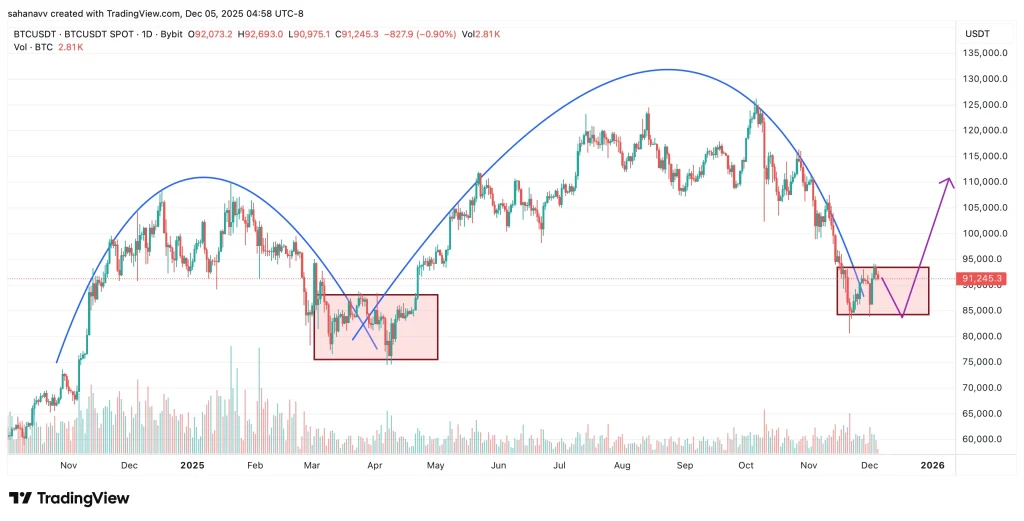
Bitcoin (BTC) Price Enters a Decisive Phase: Is a Major Breakout On the Horizon?
Tether Theory: The Architecture of Monetary Sovereignty and Private Dollarization
A privately-owned company based in the British Virgin Islands, with a very small number of employees, has built a monetary system on a scale comparable to that of a central bank, with profitability even surpassing that of central banks.

Trending news
MoreCrypto prices
More





