Anthropological Perspectives on Technology and Their Impact on Education and Workforce Preparedness for the Future
The Convergence of Technology, Anthropology, and Education
The blending of technology studies and educational anthropology is transforming how societies equip themselves for the future. As nations increasingly focus on innovation to drive economic progress, there is a growing emphasis on interdisciplinary STEM (Science, Technology, Engineering, and Mathematics) and STEAM (which incorporates the Arts) programs. These educational models go beyond traditional academics—they are essential for shaping future economic stability and preparing the workforce. For investors, understanding these shifts opens doors to support initiatives that connect technological progress, educational fairness, and economic strength.
Transforming STEM Education: From Segregation to Synergy
Historically, STEM subjects were taught in isolation, often relying on memorization and abstract theory. Recent studies, however, highlight the importance of integrating disciplines to foster vital skills such as analytical thinking, teamwork, and creative problem-solving—abilities crucial in a tech-centric world. Modern educational strategies now prioritize project-based, inquiry-driven, and real-world learning experiences. For example, South Carolina State University’s cybersecurity courses and William & Mary’s bioengineering programs are aligning academic instruction with industry requirements, reflecting a broader trend in higher education.
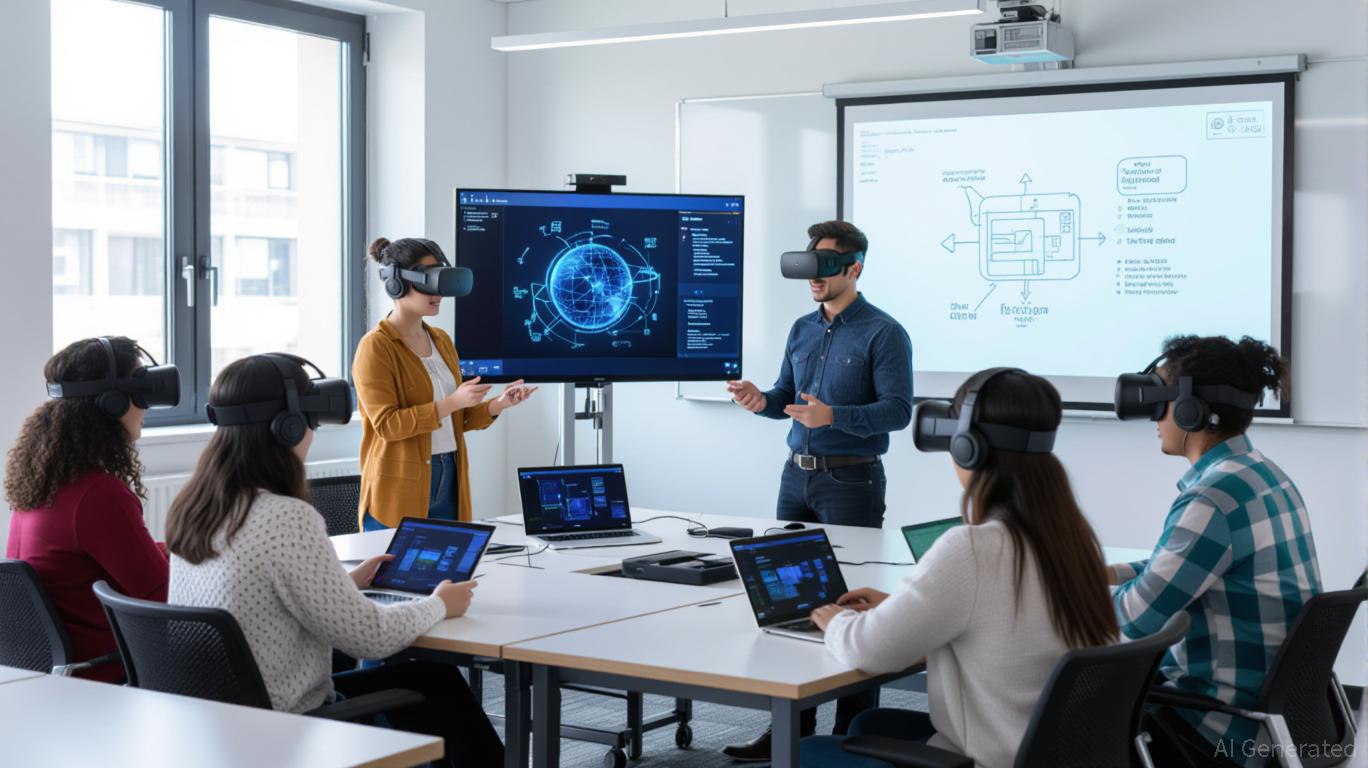
Technological advancements are accelerating this evolution. Tools powered by artificial intelligence, as well as virtual and augmented reality, are revolutionizing personalized education and providing students with realistic problem-solving environments. The global educational technology sector, valued at $163.49 billion in 2024, is expected to expand rapidly as these innovations become more widespread. Such technologies help bridge the divide between classroom theory and practical skills, preparing learners for fast-growing fields like AI, robotics, and sustainable energy.
Bridging the Skills Divide: Promoting Equity in STEM
Despite significant progress, major challenges remain. The United States, for instance, faces a severe shortage of qualified STEM educators, with over 411,500 positions either vacant or filled by underprepared teachers—an issue that disproportionately affects underserved and rural communities. This gap intensifies existing inequalities, as women and minorities continue to encounter obstacles in both STEM education and careers. In 2023, women made up just 28% of the STEM workforce, even as more women earn STEM degrees.
To close these gaps, educational approaches must focus on inclusivity. Initiatives such as Girls Who Code and FIRST Robotics show how experiential learning and mentorship can motivate underrepresented groups to pursue STEM paths. Additionally, universities are collaborating with industry leaders to update curricula, ensuring that graduates possess the skills needed in today’s job market. These efforts are increasingly important, as STEM-related jobs are anticipated to grow by 10.4% between 2023 and 2033, outpacing most other sectors.
Economic Benefits: STEM as a Catalyst for Sustainable Growth
Investing in STEM education yields significant economic rewards. In 2024, STEM professionals earned a median annual salary of $103,580—more than twice the $48,000 median for non-STEM roles. This wage advantage highlights the premium placed on technical expertise in the digital age, where breakthroughs in areas like quantum computing and bioengineering are transforming industries. Furthermore, integrating the arts into STEM (STEAM) encourages creativity and broad-based literacy, preparing students for roles that require both technical and social understanding.
However, realizing the full economic potential of STEM education depends on overcoming institutional obstacles. Outdated curricula, insufficient teacher training, and limited resources can hinder the adoption of interdisciplinary teaching. Expanding infrastructure, investing in professional development, and fostering partnerships between public and private sectors are crucial for scaling these efforts. South Korea’s robust investment in STEM education, for example, has helped establish its leadership in global technology, demonstrating the long-term benefits of strategic planning.
Investment Strategies in the Evolving Education Landscape
For investors, examining technology through an anthropological lens reveals promising opportunities in education and workforce development. Key areas for investment include:
- Edtech Advancements: Supporting the development of AI-powered platforms and immersive learning technologies that make STEM more accessible and engaging.
- Teacher Preparation and Curriculum Innovation: Backing programs that train educators in interdisciplinary teaching methods and modernize educational content.
- Programs Promoting Equity: Funding mentorship initiatives and policy efforts aimed at reducing diversity gaps within STEM fields.
- Collaborative Partnerships: Encouraging alliances between academic institutions and industry to ensure educational programs reflect current workforce needs.
Long-term research indicates that these investments deliver lasting economic benefits. A 2024 analysis found that students in interdisciplinary STEM programs achieve higher academic success and are better prepared for their careers, directly contributing to a more flexible and innovative labor force. Countries that prioritize STEM education, such as Germany and China, are leading in technological competitiveness, underscoring the global importance of these investments.
Conclusion
Exploring technology through the lens of anthropology shows that education is not just about acquiring skills—it is a cultural and societal cornerstone. By merging interdisciplinary STEM/STEAM education with equitable access and technological innovation, societies can develop a workforce ready to meet the challenges of the modern era. For investors, this represents a chance to drive meaningful change, ensuring that education continues to fuel both individual achievement and collective economic strength.





