The COAI Token Controversy: An Urgent Reminder for Thorough Crypto Research
The COAI Token Collapse: Lessons for the Future of Crypto Regulation
The downfall of the COAI Token in late 2025 stands as a pivotal example of the dangers inherent in unregulated digital currencies. This event exposed significant weaknesses in both algorithmic stablecoins and the broader decentralized finance (DeFi) sector, highlighting the urgent need for stronger investor protections and greater transparency within the crypto industry.
With reported losses surpassing $116.8 million, the incident has brought to light the shortcomings in regulatory oversight and governance that allowed such a crisis to unfold. This review explores the failures that contributed to the collapse, the takeaways for market participants, and the emergence of institutional-grade digital assets that could reshape the industry’s trajectory.
Centralization and the Pitfalls of Algorithmic Stablecoins
A major factor behind COAI Token’s rapid decline was its highly centralized structure. Nearly 88% of the token’s supply was held by just ten wallets, creating a governance model susceptible to manipulation and liquidity shortages. When the algorithmic stablecoins lost their peg to the US dollar, the absence of decentralized checks and balances hastened the token’s downfall.
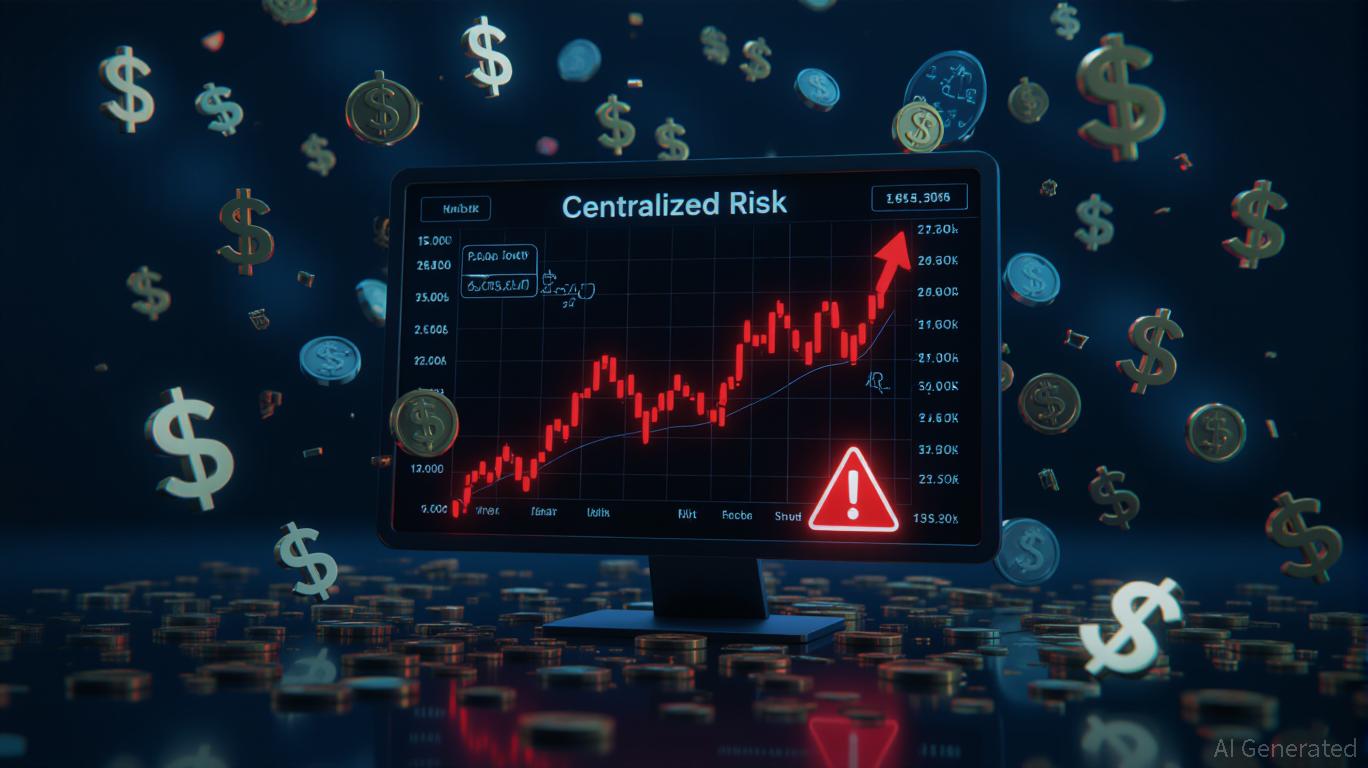
This scenario reflects broader vulnerabilities within DeFi, where unclear token economics and unverified smart contracts often conceal deeper systemic risks.
Regulatory measures proved insufficient in addressing these issues. The European Union’s Markets in Crypto-Assets (MiCA) regulation, introduced in 2025 to standardize oversight, was unable to resolve COAI’s centralized governance and lack of transparency. Similarly, U.S. agencies like the SEC initiated enforcement actions but lacked the tools to prevent the token’s failure. The episode underscores a significant regulatory gap: despite evolving rules, fragmented enforcement enables risky projects to exploit regulatory loopholes.
Investor Awareness: A Critical Priority After the Crisis
The COAI debacle has intensified demands for better investor education, especially among retail traders. Industry experts advocate for the adoption of advanced tools such as AI-powered audits, multi-signature wallets, and real-time blockchain analytics to help identify fraud and market manipulation.
For example, COAI’s dramatic 96% price increase within a single day—followed by a steep correction—demonstrated the perils of speculative trading in assets dominated by large holders. Analysts caution that without thorough research and risk assessment, investors remain exposed to sudden losses and liquidity traps.
As a result, institutional-grade cryptocurrencies are gaining favor as safer alternatives. Projects that emphasize transparent governance, verified token structures, and partnerships with established organizations are attracting more attention. The tokenization of real-world assets by companies like BlackRock and Franklin Templeton, supported by regulations such as the U.S. GENIUS Act and the EU’s MiCA, is fostering greater confidence in regulated digital finance and offering clearer compliance and reduced counterparty risk.
A Shift Toward Institutional-Grade Digital Assets
In the wake of the COAI crisis, the industry is witnessing a decisive move toward institutional-grade crypto products. Regulatory advancements, including the repeal of the SEC’s SAB 121 and the introduction of the CLARITY Act, have enabled traditional banks to provide custody services, further legitimizing cryptocurrencies as mainstream investments. By 2026, spot Bitcoin ETFs managed assets exceeding $115 billion, reflecting the growing participation of institutional investors.
This transformation is also fueled by technological progress. Innovations such as Multi-Party Computation and AI-driven transaction monitoring have bolstered security, while tokenized real-world assets offer tangible backing. Notably, the EU’s MiCA framework now requires stablecoins to maintain full reserve backing, directly addressing vulnerabilities revealed by the COAI collapse.
Conclusion: Building a Safer, More Transparent Crypto Ecosystem
The COAI Token scandal serves as a stark warning about the consequences of unchecked innovation in the digital asset space. While new regulations like MiCA and the GENIUS Act represent important steps forward, they must be paired with proactive enforcement and international cooperation to close regulatory gaps.
Investors, for their part, should prioritize comprehensive due diligence and utilize tools such as KYC/AML compliance and real-time transparency solutions to safeguard their interests.
As the digital asset market matures, the rise of institutional-grade products signals a shift toward greater stability and trust. By adhering to regulatory standards and fostering openness, the crypto industry can rebuild confidence and support sustainable growth. Although the COAI collapse was a significant setback, it may ultimately drive the sector toward a more resilient and investor-friendly future.
Disclaimer: The content of this article solely reflects the author's opinion and does not represent the platform in any capacity. This article is not intended to serve as a reference for making investment decisions.
You may also like
BCH rises 0.92% over 24 hours as network improvements and hash rate steady
- Bitcoin Cash (BCH) rose 0.92% in 24 hours to $587, driven by network upgrades and stable hash rate growth. - Hash rate increased 8.06% monthly, reflecting stronger miner confidence and improved transaction efficiency post-upgrades. - Developer activity surged with modular architecture enabling flexible smart contracts while maintaining BCH's core principles. - Merchant adoption expanded as e-commerce platforms integrated BCH, supported by multi-currency payment gateways. - On-chain governance approved a
Anthropology and Ethnography: New Perspectives on Understanding Consumer Behavior
- Farmingdale State College integrates anthropology, sociology, and business analytics to redefine consumer behavior analysis through interdisciplinary education. - Programs like STS and International Business train graduates to decode cultural influences on purchasing decisions, aligning with global market complexities. - Industry partnerships and $5M investments highlight how ethnographic research combined with AI drives innovation in edtech and behavioral analytics sectors. - Investors should prioritize

Emerging Trends in Educational Technology Tokenomics: The PENGU Token’s Tactical Advancement
- Higher education institutions explore blockchain to address funding pressures through decentralized governance and tokenomics models. - PENGU token's retail-driven ecosystem demonstrates how community governance and utility tokens could inspire educational stakeholder engagement. - Theoretical frameworks suggest tokenization could diversify university funding via micro-credentials and RWA, though technical and regulatory barriers persist. - Pudgy Penguins' success highlights tokenomics' scalability poten
The Growing Opportunities for Investment in Education Platforms Powered by Technology
- Global higher education EdTech market reached $85.43B in 2025, projected to hit $169.72B by 2028 at 10.3% CAGR, driven by AI, SaaS, and ROI-focused strategies. - AI tools like Georgia State's "Pounce" chatbot and SaaS platforms (Microsoft 365, Google Workspace) improve efficiency, reduce administrative costs, and enhance student engagement. - Institutions prioritize EdTech investments with measurable ROI, forming partnerships with vendors like CDW to streamline procurement and quantify cost savings. - Ve