BTC Volatility Weekly Review (November 17 - December 1)
Key metrics (from 4:00 PM HKT on November 17 to 4:00 PM HKT on December 1): BTC/USD: -9.6% (...
Key Metrics (4:00 PM HKT, November 17 to 4:00 PM HKT, December 1)
- BTC/USD: -9.6% ($95,600 -> $86,400)
- ETH/USD: -11.9% ($3,200 -> $2,820)
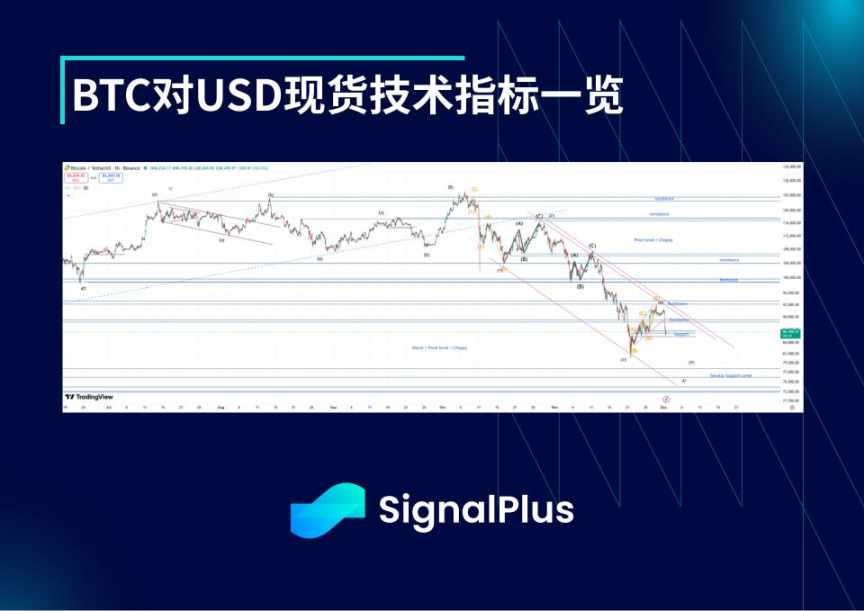
- After plunging to the key $80,000 support level two Fridays ago, last week the market attempted to lay the groundwork for the anticipated "Christmas rally" amid thin Thanksgiving liquidity, with prices making a corrective climb from the lows. However, the market quickly faced a reality check at the start of this week: an accumulation of long positions and the $89,000 pivot level triggered heavy selling during the Asian trading session. Although we do expect the market to stage a "Christmas rally" later this month (especially considering the Fed is expected to cut rates), our forecast is that the most likely path forward is a retest of the lows from current levels, which in the long term presents a good buying opportunity. Participants who did not sell during last week's rebound may begin to panic, especially if we do not see a rapid price recovery or climb back to resistance ($88.5–90K); this could further fuel the downside move.
- There are several other possible price paths in the market—more so than usual due to the complexity of the October flash crash event—so there is a significant chance that the current move is simply a correction after an overextension in thin liquidity, and that the long-term uptrend has already begun. Another alternative is that this is still part of a corrective move before the final leg down (this will become clearer if we reclaim above $90,000 but fail at $100,000), but the more likely path is for more downside price action to start from here this week. We recommend gradually building long-term long positions from the $85.5–86.5K level, adding more closer to $80–81K, and for the bold, further adding in the $78–80K region (with major long-term support just below this area). Key upside pivots include above $89,000 and $94,250, while $100,000 is a critical pivot—if broken, it would reopen the door to the $125–130K region (our target for wave B after this move concludes).
Market Themes
- The market has been highly volatile in recent weeks as the FOMC's rate pricing swung from a 90% probability of a December cut down to 30%, then back to 90%. High-beta tech/AI stocks and cryptocurrencies were hit hardest, while the VIX briefly revisited the 25–26 highs seen several times this year (excluding the >40 spike due to tariff issues in March–April). Although the VIX once again capped further price gains, the macroeconomic backdrop remains generally favorable for risk assets as the Fed's rate path has not changed materially. The market can no longer sustain risk-off positioning for long, as positions had already been reduced before Thanksgiving, and we are seeing a broad rebound in risk assets.
- After leading high-beta risk assets lower, cryptocurrencies were not spared from the continued decline, with BTC breaking below the key $85,000 support two Fridays ago and triggering a rapid drop to the strong $80,000 support. Since then, we have seen a corrective rebound amid thin liquidity and exhausted selling, with overall risk sentiment improving as the market attempts to bottom out. Unfortunately, following the events of October 10–11, market sentiment/structure appears to have been fundamentally weakened, so this cycle "may be different"—buying interest and new liquidity may not be sufficient to drive a meaningful price recovery and break through $100,000. Outflows from IBIT have increased, but are still far from the sustained inflows seen over several months since summer; its fund flow trend will be a key metric to monitor going forward. Interestingly, altcoins have remained relatively resilient, which is highly unusual in a crypto "bear market." This suggests deeper deleveraging (again related to the impact of the October 10–11 events), and that altcoin positions are generally much cleaner (except for DAT holdings, though Tom Lee has not slowed ETH purchases... at least for now!).
BTC Implied Volatility
- Implied volatility has seen a wide range over the past two weeks, with contracts under two months spiking as prices tested the $80,000 lows, then sharply dropping as last week's low-volatility corrective rally unfolded, before rising again with the new wave of selling from $90.5–85.5K during the Asian session. Realized volatility has remained high at 48–52%, so the drop in implied volatility can only be attributed to year-end position reduction, with market makers seeking to recoup directional trade selling flows.
- The term structure of implied volatility has generally flattened, as some selling pressure on longer-dated volatility has made expiries over three months somewhat heavy, while short-term contracts remain supported by elevated realized volatility.
BTC Skew / Kurtosis
- Skew pricing has generally followed the directional moves of spot, with an unusually strong correlation between spot and both realized and implied volatility. From a supply-demand perspective, the market has started to see renewed supply of call options at these spot levels, which should continue to provide deep pricing for put skew.
- Skew has been largely range-bound, with prices finding support in the broad $80–94K range. Directional trades on either side of this range have taken the form of call or put spreads, providing more kurtosis selling pressure to the market, but the consensus is that this range will not be materially broken in the short term. Additionally, with healthy local Gamma, there is more interest in at-the-money options than in wing options.
Wishing you successful trading next week!

Disclaimer: The content of this article solely reflects the author's opinion and does not represent the platform in any capacity. This article is not intended to serve as a reference for making investment decisions.
You may also like
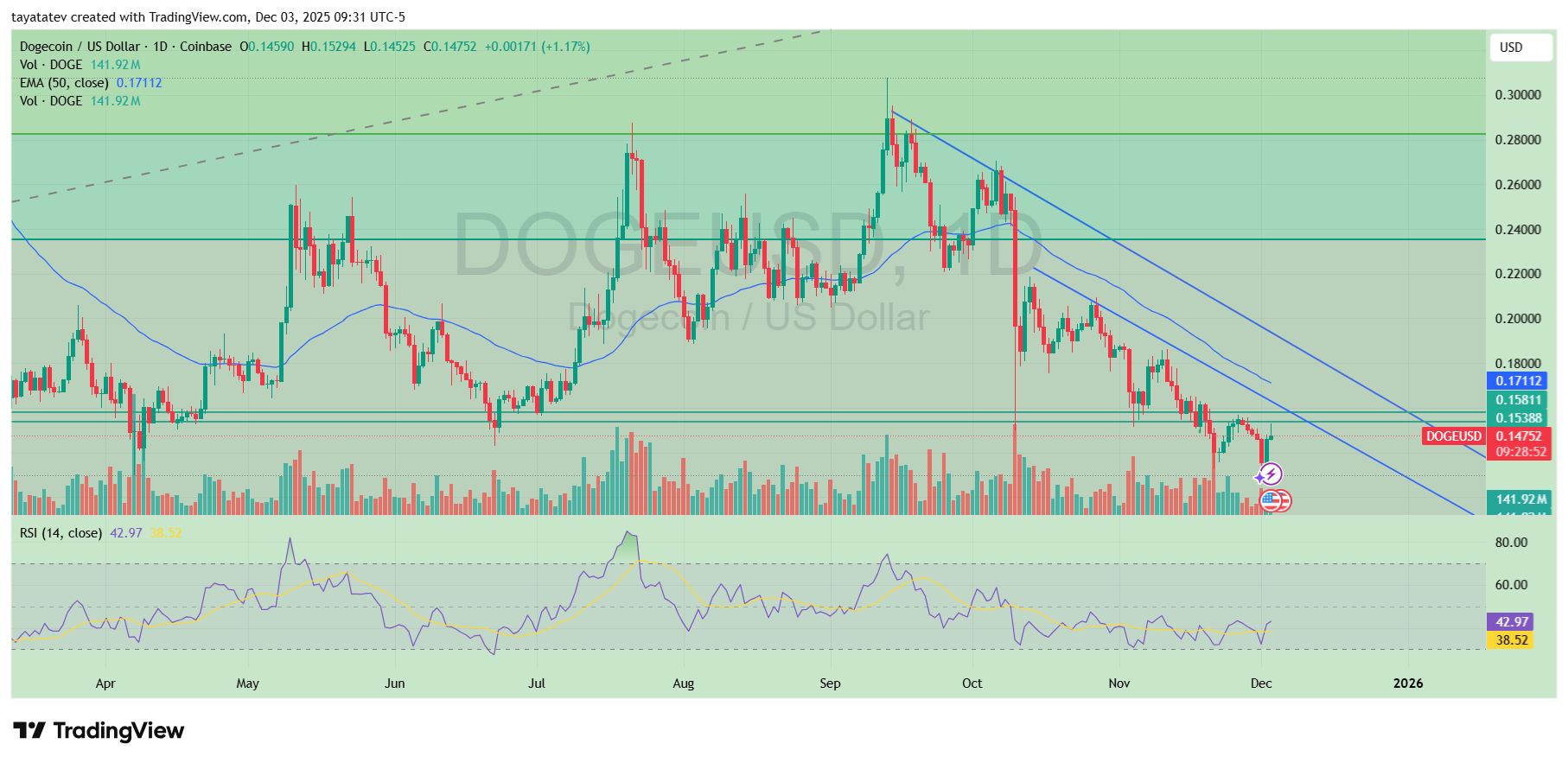
Dogecoin Trapped in Falling Channel as 0.158 Dollar Barrier Blocks Path Back to Fibonacci Golden Zone
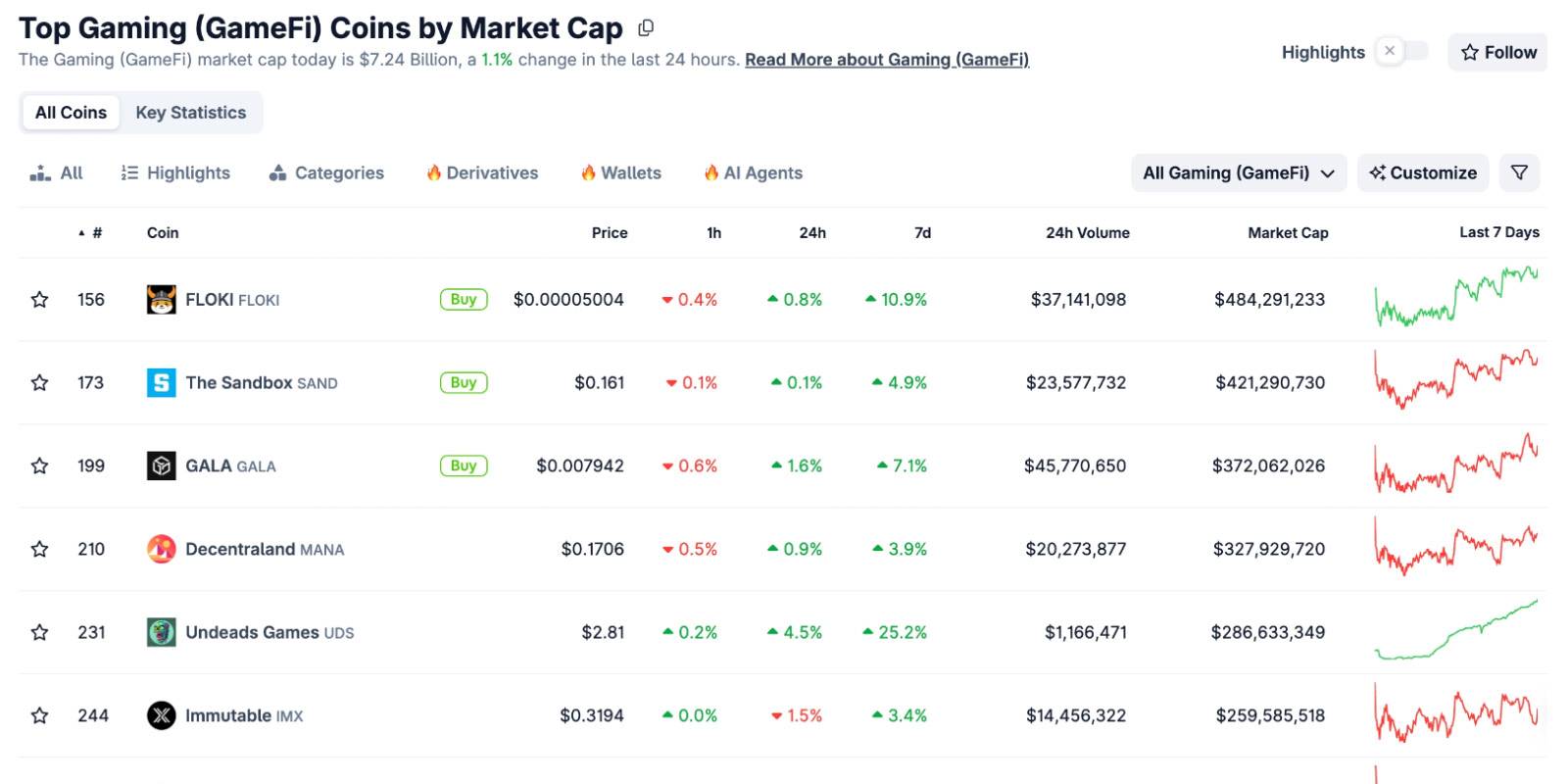
COC the Game Changer: When Everything in GameFi Becomes "Verifiable", the Era of P2E 3.0 Begins
The article analyzes the development of the GameFi sector from Axie Infinity to Telegram games, pointing out that Play to Earn 1.0 failed due to the collapse of its economic model and trust issues, while Play for Airdrop was short-lived because it could not retain users. COC Game has introduced the VWA mechanism, which verifies key data on-chain in an attempt to address trust issues and build a sustainable economic model. Summary generated by Mars AI. This summary was generated by the Mars AI model, and its accuracy and completeness are still being iteratively updated.

When all GameFi tokens have dropped out of the TOP 100, can COC reignite the narrative with a Bitcoin economic model?
On November 27, $COC mining will be launched. The opportunity to mine the first block won't wait for anyone.
Ethereum's Next Decade: From "Verifiable Computer" to "Internet Property Rights"
Fede, the founder of LambdaClass, provides an in-depth explanation of anti-fragility, the 1 Gigagas scaling goal, and the vision for Lean Ethereum.